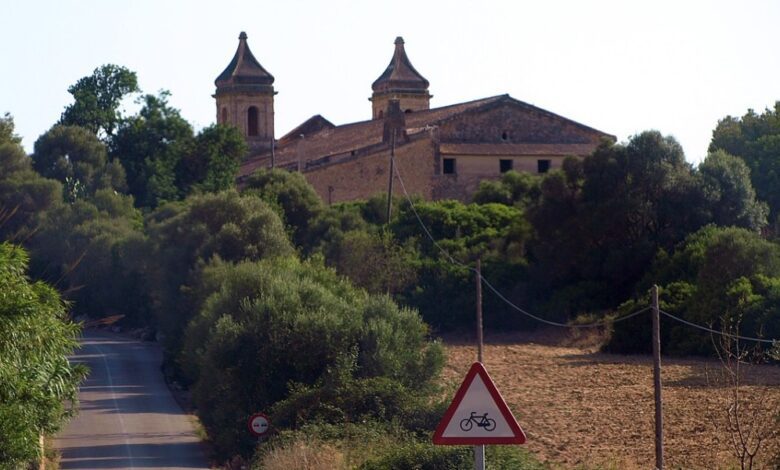
Marratxí is a municipality that in recent years has become a real find for those seeking a balance between tranquility and urban infrastructure. Located just a few kilometers from Palma, it combines the charm of traditional Mallorca with modern conveniences. There’s no big city hustle here, yet everything needed for a comfortable life is close at hand. Families with children, young professionals, and even retirees are increasingly choosing this suburb, unwilling to sacrifice either quality of life or opportunities for work and leisure.
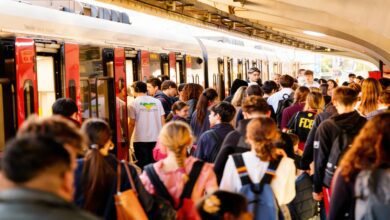
In Marratxí, residential neighborhoods with private homes, well-kept streets, views of the Serra de Tramuntana mountains, and a well-developed transport network coexist in perfect harmony. Locals value not only the peace and quiet, but also the ability to reach Palma quickly via the MA-13 highway or by train. Several stations operate within the municipality, and buses connect it with neighboring towns. For many, this is the deciding factor for relocation: you can live in seclusion while remaining mobile.
Life in Marratxí
Everyday life here revolves around family values and a relaxed pace. Each neighborhood offers its own schools, kindergartens, parks, and sports grounds. Major shopping centers like Mallorca Fashion Outlet are not just for shopping—they’re weekend destinations for the whole family, with cinemas, cafes, restaurants, and entertainment zones open year-round. Sports enthusiasts will find municipal complexes, football fields, tennis courts, and fitness clubs available.
The medical infrastructure is also excellent: outpatient clinics operate throughout the municipality, and the large hospitals of Palma—Son Espases and Son Llàtzer—are just minutes away. Local festivals, fairs, and markets are held regularly in Marratxí, creating a true sense of community. Making new acquaintances is easy, and you’ll quickly feel part of a warm, welcoming group.
Best neighborhoods
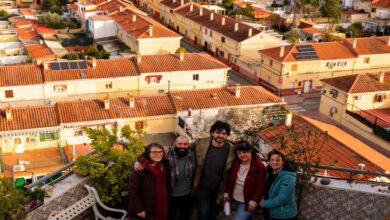
Each part of Marratxí has its own character and unique features. Sa Cabaneta is the historic center of the municipality, where traditional Mallorcan houses, narrow streets, and an unhurried lifestyle are still preserved. It’s a popular choice for those who appreciate a cozy and stable atmosphere, as well as the chance to be at the heart of things—all major services and shops are within walking distance.
Pòrtol is famous for its pottery tradition and unique charm. This area embodies the true village spirit: cozy squares, historic bars, and an active neighborhood life. For those seeking authenticity and a close connection to the island’s culture, Pòrtol is the perfect choice. Son Ramonell and Es Figueral are more modern districts, lined with spacious houses, gardens, and terraces. These areas are popular among families who value new infrastructure, wide streets, and quick access to main roads.
Prices and Expenses
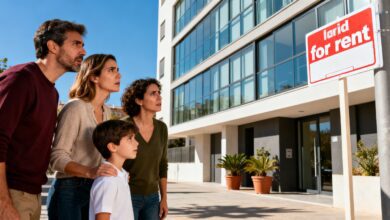
The cost of living in Marratxí is noticeably higher than the Spanish average, but still lower than in Palma itself. As of November 2025, the average price per square meter of housing is €3,698. For comparison: in Santa Maria del Camí, it reaches €4,412, and in Palma — €5,034. Marratxí thus remains a more affordable option for those looking for a spacious home and a green yard.
Transport costs depend on your chosen mode of travel. A monthly pass for the train or intercity bus to Palma ranges from €30 to €50, depending on the route and available discounts. Basic groceries at major supermarkets cost roughly €250–350 per person monthly. A meal at a local café starts at €12–15. For sports and fitness enthusiasts, gym or club memberships range from €30 to €60 per month, depending on the facility.
Comparison with Neighboring Areas
Choosing between Marratxí, Santa Maria del Camí, and Palma often comes down to personal priorities. Santa Maria is famous for its vineyards and unique atmosphere, but property prices are higher and it’s a longer commute to Palma. At the same time, Santa Maria has fewer services and stores than Marratxí. Palma offers an always dynamic lifestyle, a wide range of entertainment and cultural events, but both property prices and noise levels are considerably higher.
Marratxí offers a compromise: spacious houses, well-developed infrastructure, proximity to the capital, along with peace and green spaces. For families with children and those who work in Palma but prefer not to live in the city center, this suburb is becoming increasingly attractive.
Pros and cons
The main advantages of living in Marratxí include excellent transport links, a variety of services, large shopping centers, and sports facilities. It’s easy to find housing with a terrace or garden here, and rental and purchase prices remain lower than in Palma. Locals note the peaceful atmosphere, safety, and friendliness of neighbors.
However, there are some caveats. In certain areas, it’s hard to get by without a car, especially if you work in an industrial zone or in Palma itself. Cultural life and nightlife are less developed here than in the capital, so you’ll need to head to the city for theaters, concerts, and trendy bars. For some, this is a downside; for others, it’s a chance to escape the urban hustle and bustle.
In case you didn’t know, Marratxí is one of the fastest-growing municipalities in Mallorca. New residential complexes are actively being built here, and demand for real estate remains consistently high. The municipality is renowned for its artisan traditions, especially in ceramics, and hosts annual festivals celebrating local culture. In recent years, both Spaniards and foreigners have been moving here, making Marratxí one of the most international suburbs of Palma.