The Spanish music scene has once again found itself in the spotlight thanks to the performance of Catalan choirs in Los Angeles. For Spain, this is more than just a cultural event — it highlights the growing influence of national ensembles on the world stage and opens up new opportunities for international collaboration. Such success is likely to inspire other artistic groups to pursue international projects and further strengthen the prestige of Spanish culture abroad.
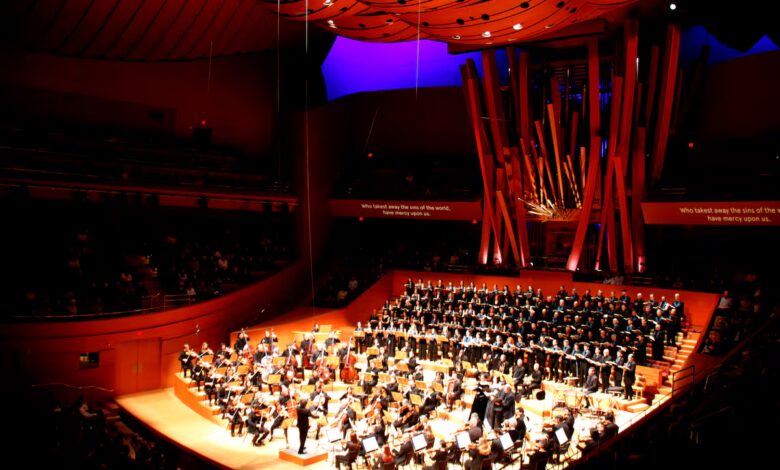
Last weekend, 125 singers from Orfeó Català and Cor de Cambra took to the stage of the Walt Disney Opera House. This venue is renowned for its outstanding acoustics and architecture, and performing here is considered a great honor for any ensemble. The Catalan singers performed Beethoven’s Missa Solemnis — a piece that even seasoned musicians regard as one of the most challenging in the classical repertoire. According to El Pais, conductor Gustavo Dudamel selected this very ensemble for his final season in Los Angeles, which took many by surprise.
A challenge for musicians
Preparations for the performance took more than six months. The choir members not only studied the score but also delved into the historical context of the work. For many participants, it became a real test: nearly a hundred singers took time off from work or temporarily set aside their commitments to travel to the US. As a result, professionals and amateurs came together on stage, creating a unique sound and atmosphere.
Conductor Dudamel, concluding his tenure with the Los Angeles Orchestra, decided to take a risk and lead three concerts without a score, relying entirely on memory. This bold move impressed both the audience and his colleagues. The final note was met with thunderous applause: the ovation lasted over six minutes, a rarity even at the most prestigious venues.
Emotion and support
Young choir members noted that the tension before stepping on stage gave way to confidence thanks to the support of the conductor and leaders. Inspiring words and a special approach to working with the group helped each participant open up. According to one of the singers, this performance became a ‘heavenly journey’ that left a deep mark on her soul.
Support from the choir leaders also played a crucial role. They managed to combine professionalism and enthusiasm, creating a warm atmosphere within the group. This approach led to a high level of performance and earned recognition not only from the audience but also from music critics.
Catalans in America
For most participants, this was their first experience performing in the United States. However, the concert’s success has already sparked talks of new tours and joint projects. After the Los Angeles season ends, Dudamel plans to continue his work in New York, while the Catalan choirs are considering further trips overseas.
Interestingly, such cultural initiatives are becoming increasingly prominent against the backdrop of political and social changes in Spain. For example, there was recent discussion about the strategies of regional parties to strengthen their positions, as highlighted in the article about the rising popularity of Vox in smaller towns— how regional movements impact society. Such events emphasize the importance of local initiatives and their effect on the country’s international image.
In recent years, Spanish groups have been performing more often on the world’s major stages. For instance, in 2024 an ensemble from Valencia received recognition at a festival in Berlin, and in 2025 a Madrid orchestra was invited to open the season in Paris. These achievements confirm that Spanish culture continues to win the hearts of audiences worldwide, and new projects only strengthen this trend.