The Spanish government’s decision to open access to the archives on the attempted coup of February 23, 1981 (23-F) has become one of the most talked-about events in recent years. For many in the country, this offers a chance to finally understand what truly happened during those days when the fate of democracy hung by a thread. Officials hope that publishing 153 previously classified documents will help stop the spread of false narratives about the events and reduce the growing idealization of the Franco era among the youth.
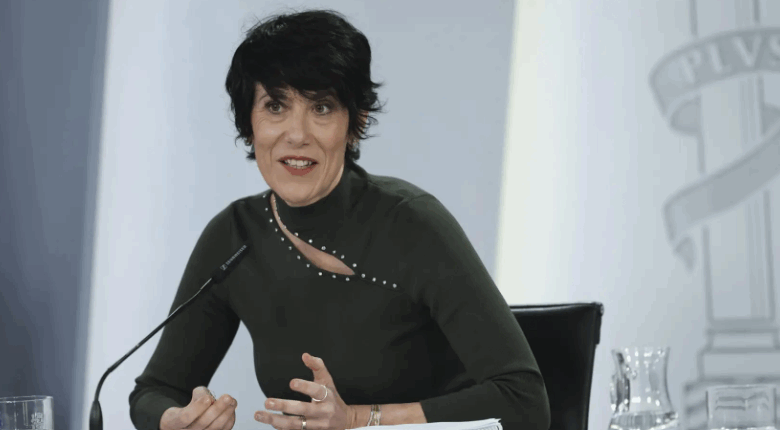
Starting today, anyone can review these materials on the official government website (Moncloa). Access is open not only to researchers and journalists but to all citizens, underscoring the commitment to transparency and honest dialogue about the past. Minister for Public Relations Elma Saiz explained that this measure aims to counter attempts by far-right groups to use myths and conspiracy theories to sway public opinion.
Archives are now accessible
For many years, these documents remained classified under secrecy restrictions imposed during the Franco era. Now that the threat of similar incidents has faded, the authorities have decided it is possible to disclose details that were previously reserved for a select few. According to Saiz, Spain is correcting an anomaly that set it apart from other European countries: for instance, Germany declassified similar historical documents back in 2012.
The release of the archives is not only a historical gesture, but also a political signal. The authorities emphasize that the memory of the events of 23-F should not become a tool for manipulation or romanticizing the dictatorship. In recent years, debates have intensified in Spain about how young people perceive the past and the dangers of distorting historical facts. This is why the government decided to act proactively, aiming to avoid the mistakes seen in other countries where such topics have led to conflict.
Reaction of society and politicians
The announcement of the document declassification sparked widespread public interest. Many historians and journalists have already expressed their intention to carefully study the new materials in order to provide a more accurate assessment of the events of 1981. At the same time, opposition representatives and some civic groups voiced concerns that the publication could be used for political purposes. However, as Ale Espanol reports, the government remains confident: transparency is the best way to fight misinformation.
During a press conference, Saiz emphasized that one of the main priorities remains preventing young people from taking to the streets and repeating the symbols and slogans of the Francoist era. According to her, only honest and open discussions about the past can protect society from repeating tragic mistakes. Before announcing the declassification, the authorities notified the Royal Palace (Zarzuela), underlining both the importance and sensitivity of this decision.
Context and comparisons
Spain is no stranger to the need to review its historical archives. In recent years, other high-profile cases involving access to information and court rulings have also been the subject of national debate. For instance, the Supreme Court recently drew significant attention over a dispute about court costs, sparking a wave of reactions in Madrid and potentially shaping the way similar cases are handled in the future — read more on this in the article about the dispute over court costs.
Authorities hope that the new law currently under discussion in parliament will make such decisions standard practice rather than exceptions. This is expected to simplify access to important historical data and reduce social distrust. According to experts, opening the archives could become a turning point in shaping national memory and strengthening democratic values.
The attempted coup on February 23, 1981, remains one of the most dramatic moments in Spain’s modern history. Back then, a group of military officers tried to seize power, but thanks to decisive action by the king and politicians, democracy prevailed. In recent years, interest in these events has surged again, especially among young people, which prompted the authorities to release the archives. Similar decisions to declassify documents have been made in other European countries, where access to information has helped reduce mistrust and prevent the spread of myths about the past.