Spain has taken a significant step toward understanding its own history as authorities have granted open access to archival materials on the attempted coup d’état of February 23, 1981. This event still provokes debate and discussion, and now citizens have the opportunity to explore details that were previously hidden. The government’s decision is linked to the need for transparency and the desire to provide society with tools to analyze key moments of recent history.
Hundreds of declassified documents are now available on the official government website. Each file can be downloaded in PDF format, making it possible not only to review the content but also to use modern information search methods. This approach makes research easier for scholars, journalists, and anyone interested in the history of Spain. According to El Pais, special digital tools are offered to facilitate working with the large volume of data, making the search process fast and convenient.
Search tools
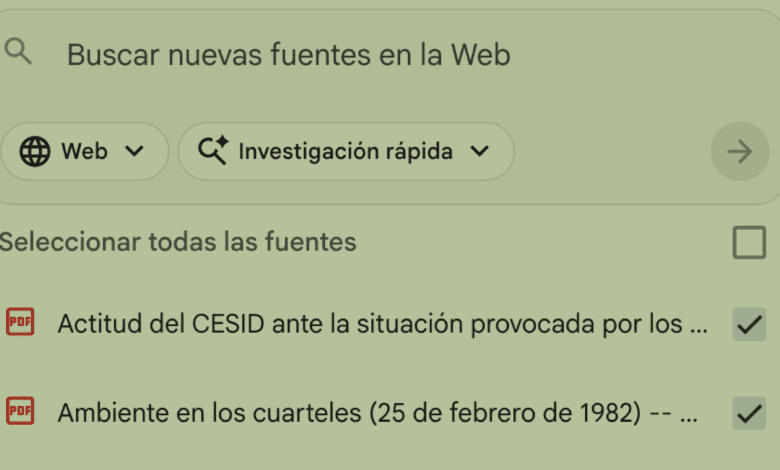
Two Google services—Pinpoint and Notebook LM—have become essential tools for analyzing declassified materials. Pinpoint allows users to quickly find relevant text fragments across hundreds of pages, while Notebook LM uses artificial intelligence to structure information and identify connections between events. Thanks to these technologies, even complex and extensive archives are now accessible to a broad audience.
The use of artificial intelligence in working with historical documents opens up new possibilities for analysis. Now, it is possible not only to search for individual words or dates, but also to identify patterns that previously went unnoticed. This approach offers a fresh perspective on the events of February 23 and helps to understand how the situation inside the country developed during that period.
Significance for society
Opening access to archives is more than a mere formality. It is a step that shapes public opinion and influences attitudes toward the past. The opportunity to independently study documents gives citizens a chance to draw their own conclusions about events that defined Spain’s political life for decades. According to El Pais, public interest in the declassified materials has been high, highlighting the importance of this topic for society.
Modern technologies are making the study of history more democratic. Now, not only professional historians but also ordinary citizens can analyze documents, seek answers to their questions, and share their discoveries. This helps create a more objective picture of the past and reduces the influence of rumors and speculation.
Context and consequences
The declassification of documents regarding the attempted coup on February 23, 1981, has become one of the most discussed events in recent years. Similar decisions have been made in other countries, where access to archives has helped society understand complex moments in history. In Spain, this step could lead to new research, publications, and even a reassessment of some views on the events of that time.
In recent years, Europe has seen a trend toward opening state archives, particularly on issues related to political crises and conflicts. This not only helps restore historical justice but also strengthens trust between citizens and the state. In Spain, interest in the 23-F topic remains high, and new technologies are making the study of the past more accessible and transparent.
Recalling similar cases, it is worth noting that in 2024, Italy released documents about the events of the ‘Years of Lead,’ sparking a wave of public interest and new investigations. In Germany, the declassification of archives related to the fall of the Berlin Wall revealed previously unknown details. These examples show that opening access to historical materials is becoming an important tool for shaping collective memory and strengthening civil society.