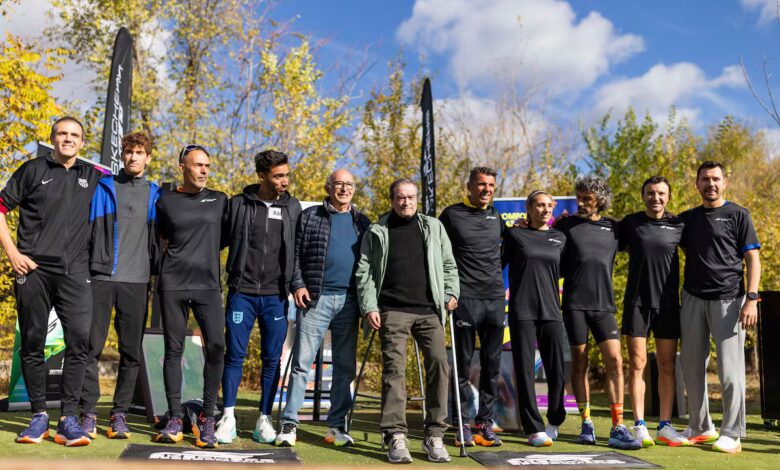
In the heart of Madrid’s Canillejas district, an event has taken place for 45 years that, for many, has become more than just a sports competition. The Trofeo José Cano, founded in 1980, brings together both professional and amateur runners every year, united by a single passion—running. The organizer and driving force of the race, 81-year-old José Cano, calls his creation nothing less than a ‘son,’ as he has devoted much of his life to this project.
Each year, the race continues to build its reputation among those who value true athletic competition over trends. Unlike modern commercial races that focus on spectacle and mass participation, here the spirit of rivalry and the drive to win remain at the core. For many, this run is more than just a jog—it’s a chance to test themselves and experience the genuine festive atmosphere of sport.
Legends and Champions: How Canillejas Became a Talent Factory
From its earliest years, the Canillejas race drew attention not only from locals but also from world-class stars. Over the years, the starting line has seen names such as Paul Kipkoech from Kenya—a world champion in the 10,000 meters—Britons Steve Binns and Michael McLeod, as well as Portugal’s Domingo Castro. According to Cano, one of the world’s best races took place here in 1987.
The first winner was Carlos García, now 79, who still fondly remembers the days when the entire neighborhood became one big athletic family. Among the participants were future stars of Spanish track and field: Fernando Carro, a European Championship medalist, and Jesús España, who ran his first race in Canillejas at just 12 years old.
Running against trends: why the Cano Trophy never became a commercial venture
In the 1980s, when the word ‘jogging’ was just beginning to catch on, no one thought about running as a fashion trend. Today, as Cano notes, the term ‘runner’ has become part of popular culture, where appearance and social media likes often matter more than actual results. The organizer adamantly refuses to change the route, simplify the course, or cater to commercial demands. Here, those who run for victory—not for selfies—are still valued.
Cano emphasizes that his race is more than just sports—it’s a way to preserve traditions and pass them on to new generations. He believes that it’s this philosophy that keeps the race relevant decades later, despite ongoing challenges with sponsorship and organizing.
Social mission: how running transformed the neighborhood and people’s lives
In the 1980s, Canillejas was considered one of the toughest neighborhoods in Madrid. The race became more than just a sporting event; it also served a social purpose. According to Cano, participating in the race helped many local youths choose sports over the streets and avoid problems with drugs. For many residents, it became a real chance to turn their lives around.
Participants’ stories prove that running can bring you back to life, even in the most difficult situations. For instance, renowned Spanish sprinter David Canal found motivation again after a deep depression, thanks to the support of loved ones and taking part in the Canillejas race.
Preserving the Spirit: Challenges and the Future of the Legendary Race
Each year, organizing the race becomes more challenging. Finding sponsors, certifying the course, and competing with commercial events all require determination and persistence. But for Cano and his team, the main goal is to preserve what matters most: the timeless sports atmosphere, immune to trends and fads.
The José Cano Trophy is more than just a race—it’s a symbol of how sports can unite people, inspire them, and change lives. For 45 years, it has been an integral part of life in Canillejas and a shining example for everyone who chooses running—not for fashion, but for true passion and victory.