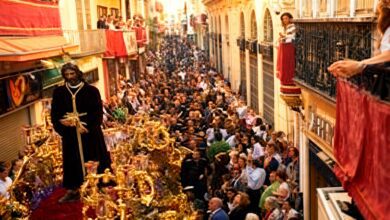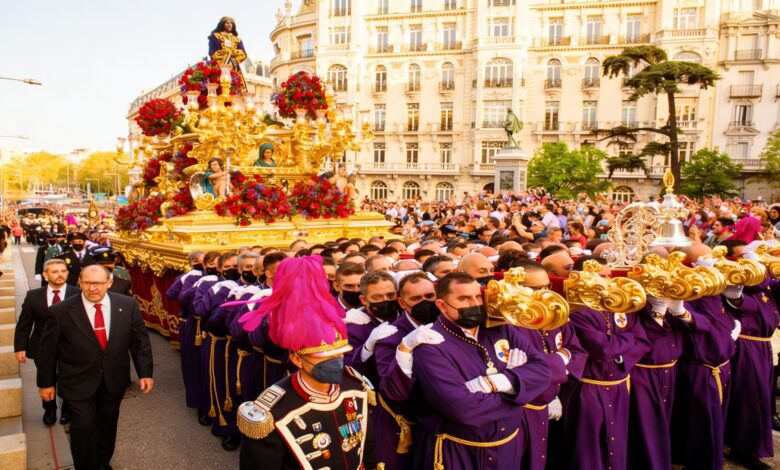
Madrid will impose extensive traffic restrictions during the Easter period, affecting two key city districts: Centro and Salamanca. Authorities made this decision to ensure safety and ease of movement for residents and visitors during days of large religious processions. According to El Pais, from April 2 to 5, the usual traffic pattern in the city will be temporarily changed, which may impact the plans of thousands of people.
A temporary pedestrian zone will cover 75 streets, with 22 fully closed to traffic from 11:00 to 21:00 throughout the four holiday days. Another 53 streets and squares will face partial restrictions. Special attention is being given to areas around prominent Catholic churches such as Iglesia Catedral de las Fuerzas Armadas (Iglesia del Sacramento), Basílica Pontificia de San Miguel, Real Iglesia de San Andrés Apóstol, Iglesia de San Pedro el Viejo, Colegiata de San Isidro, Iglesia de San Ildefonso, Santísimo Cristo de la Fe, Basílica de Jesús de Medinaceli, Capilla del Divino Cautivo de los Padres Escolapios, and parroquia de San Lorenzo.
Traffic organization
To manage the situation, authorities will deploy 230 Cuerpo de Agentes de Movilidad officers working alongside regular staff. Special patrols will be stationed on the streets to inform pedestrians about the most convenient routes and available parking. In high-traffic areas, personnel will guide crowds and help prevent congestion.
Specifically, at the intersection of calle de Sacramento and calle Mayor (Centro district), three streets will be closed off with officer assistance and another 25 will be pedestrianized. Perimeter restrictions will be in place at calle San Justo with calle Segovia, cava de San Miguel with calle Mayor, and plaza de la Cruz Verde. Affected streets include calle Traviesa, plaza de la Villa, plaza de San Miguel, calle Sacramento, calle del Codo, and others.
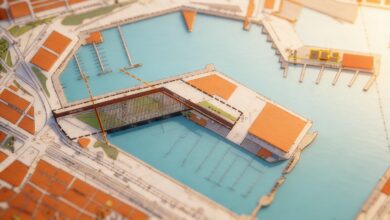
Closure map
The second major area—the intersection of calle Bailén and calle Cava Baja—will also be under increased control: five streets will be closed with staff on site, one with barriers, and another 19 will become temporarily pedestrian-only. Perimeter restrictions will affect calle Costanilla de San Andrés with calle Segovia, calle Costanilla de San Pedro with calle Segovia, calle del Almendro with calle de la Cava Baja, among others. The list of affected locations includes calle del Alamillo, calle de la Moreira, calle de los Caños Viejos, plaza del Granado, calle del Granado, and more than a dozen other streets and squares.
In the area of calle Fuencarral and calle de la Madera (Centro), four streets will be closed with staff on duty and one will be made pedestrian. In the zone of calle Atocha and calle del Gobernador, restrictions will apply to one street and one internal pedestrian zone. At the intersection of Paseo del Prado and calle Jesús, four streets will be closed with staff, three with barriers, and one will become pedestrian. In the area of calle Argumosa and calle Santa Isabel, restrictions will affect three streets and one internal pedestrian zone.
Special measures in Salamanca
In the area of Conde de Peñalver and calle Díaz Porlier (Salamanca), restrictions will only apply on Thursday, when the Divino Cautivo procession takes place. Here, one street will be closed with staff and another will become pedestrian. Perimeter restrictions will be implemented at calle General Díaz Porlier with calle José Ortega y Gasset and calle Padilla.
Officials emphasize that all measures are aimed at preventing traffic jams and ensuring safety during mass events. To keep residents and visitors informed, special patrols will circulate the streets to help people navigate the new rules and point out where cars can be parked.
Context and consequences
The introduction of such large-scale restrictions in Madrid coincides with a period when there is traditionally an increase in tourist influx and large public events across Spain. Analysis by russpain.com indicates that similar measures have already been implemented in major cities during holidays, for example, when airport staff strikes were announced, resulting in widespread delays and disruption of travel plans for thousands of passengers. More details on how holiday restrictions affect the transport system can be found in the article about disruptions at Spanish airports during peak holiday periods.
In recent years, Madrid authorities have regularly tightened traffic control in the city center during major religious and cultural events. Such measures help ease the strain on the transport system and enhance safety for event participants. In 2024 and 2025, similar restrictions were introduced during Easter and other mass processions, which helped prevent serious incidents and facilitate movement around the city. In the future, this practice is expected to become standard during all major holidays in the capital.