The introduction of new anti-crisis measures in Spain is linked to the consequences of the military conflict in Iran, which has already affected the country’s economy. The decisions made at an emergency government meeting directly impact the cost of living, business operations, and the protection of the most vulnerable groups. Authorities expect that a comprehensive approach will soften the blow to household and business budgets and help stabilize the market during this period of instability.
Financial measures
Among the key changes is a significant reduction in the tax burden on electricity and fuel. The VAT rate for electricity has been cut from 21% to 10%, and the special tax on electricity (IEE) has been reduced to 0.5%. The tax on electricity production (IVPEE) has been temporarily suspended. Gas, pellets, and firewood are also charged at a reduced VAT rate of 10%. The maximum price for butane and propane cylinders is frozen, which is especially important for low-income families.
Drivers and businesses using fuel will receive a discount of up to 30 cents per liter, and VAT on petrol and diesel has also been cut to 10%. The excise duty on fuel has been lowered to the minimum allowed in the European Union. Transport companies, farmers, fishermen, and livestock breeders will receive an additional subsidy—20 cents per liter—and support for purchasing fertilizers.
Social support
Authorities have extended the increased discounts on the social electricity tariff until the end of 2026 and strengthened support measures for low-income families. Disconnection of basic utilities is now prohibited for homes of vulnerable citizens. Energy-intensive enterprises receive an 80% discount on electricity network fees, aiming to reduce production costs.
The second set of measures involves the rental housing market: rental prices are temporarily frozen and expiring contracts this year are extended. However, this package has not yet secured majority support in parliament, which could complicate its implementation.
Political disagreements
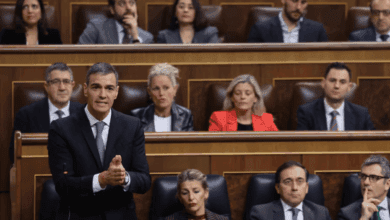
Debates on the measures were marked by tense negotiations between Sumar and PSOE representatives. Sumar ministers insisted on adding further provisions on housing, but faced resistance from coalition partners. As a result, some Sumar ministers did not enter the chamber and continued to press for compromise. According to SER, negotiations continued until the last moment, which delayed the session’s start time.
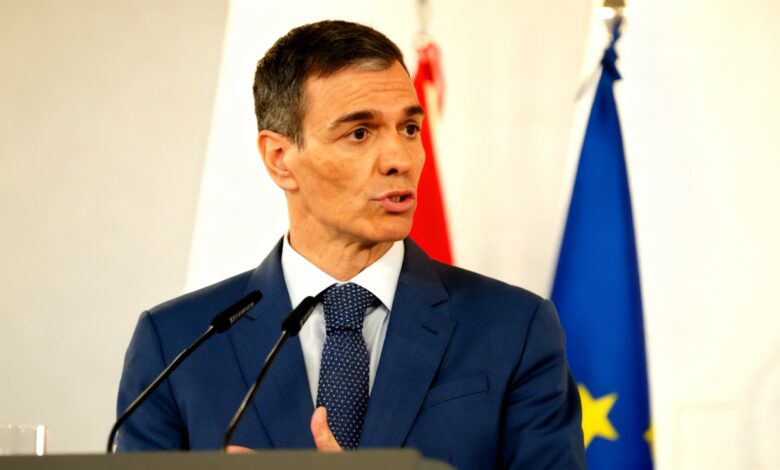
Prime Minister Pedro Sánchez emphasized that the package includes 80 measures focused on strengthening energy independence, supporting transport, and ensuring flexibility in energy contracts. He said the measures will take effect the day after they are published in the BOE. Deputy Prime Minister Yolanda Díaz and other ministers highlighted the importance of protecting vulnerable groups and expanding social guarantees, especially in housing.
Economic Scale
The total allocated funds will amount to 5 billion euros. According to the government, about 20 million households and 3 million businesses are expected to benefit from the support. Authorities have called on parliamentary groups to back the initiative to ensure stability and predictability for citizens.
As reported by SER, the anti-crisis measures respond to rising prices and the threat of supply disruptions caused by the conflict in Iran. In recent years, Spain has already faced the need for emergency decisions due to external crises. For example, in 2022, following events in Ukraine, temporary fuel discounts were introduced and social programs were expanded. At that time, these measures helped contain inflation and support the sectors hit hardest. The new package of measures draws on previous experience and reflects the government’s commitment to proactive action amid instability.