In Cantabria, the fate of abandoned villages is once again under discussion: Porcieda, located in the heart of the Picos de Europa, has been put up for sale. This decision could spark new projects to revitalize rural areas, which is especially relevant amid demographic shifts and growing interest in life outside of cities. In Spain, such sales are more than just real estate transactions—they’re opportunities to breathe new life into forgotten corners of the country.
Rural real estate
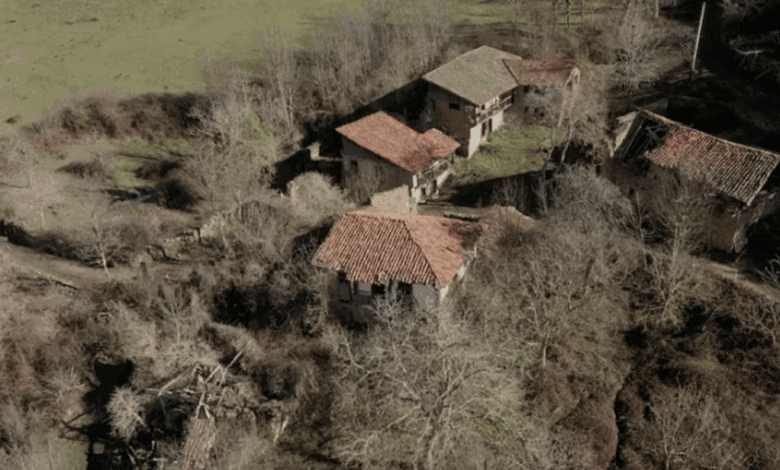
Porcieda sits on a hillside overlooking the mountains, surrounded by dense forests and old trails. The village has long been uninhabited, but is now on the market for 380,000 euros. The lot includes ten semi-ruined houses, twelve plots, and nearly four acres of open land. It’s a place that could appeal to those seeking unique projects—from restoring traditional dwellings to creating tourist routes or launching new forms of rural business.
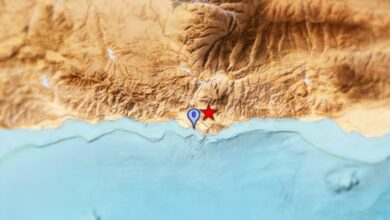
The village lies just ten kilometers from Potes and less than a hundred kilometers from Santander. The road to Porcieda winds through country pathways, making it accessible to future owners and visitors. Experts say the available plots open the door to building modern homes without disrupting the historic landscape.
Historical significance
Porcieda is more than just a cluster of old buildings. The village is home to the chapel of Nuestra Señora de las Nieves, considered one of the finest examples of local architecture. In the last century, it was part of a pilgrimage route linking San Vicente de la Barquera to the monastery of Santo Toribio. Over the centuries, Porcieda served as a refuge for monks and even as a hideout for resistance fighters during the civil war.
According to archival records, the village was founded as early as the 10th century and remained inhabited until the end of the last century. The last resident left more than twenty years ago, although some sources suggest a different date—the late 1980s. Over the years, Porcieda has become shrouded in legends: in the 1970s, mysterious phenomena were reportedly observed here, further adding to its mystical appeal.
Opportunities for development
Today, Porcieda is seen as a platform for new ideas. Projects in eco-tourism, the creation of a cultural center, or the revival of traditional crafts could all take shape here. Thanks to its proximity to popular routes and its unique natural surroundings, the village has the potential to attract not only investors but also enthusiasts dreaming of a life in harmony with nature.
In recent years, there have already been successful examples of reviving abandoned villages in Spain. In Burgos, for instance, several families have breathed new life into Bárcena de Bureba, while new initiatives are emerging in Galicia and Asturias to restore rural settlements. Such projects often receive support from local authorities and become drivers of growth for entire regions.
The future of Porcieda remains uncertain. Whether a new sale can change the fate of this place remains to be seen. What is already clear, however, is that interest in abandoned villages in Spain is not fading—in fact, it is becoming part of a new wave of rethinking life outside major cities.
In recent years, Spain has seen a rise in transactions involving abandoned villages. In Galicia, Castilla y León, Asturias, and other regions, new projects to restore rural settlements are appearing. Some are turning into tourist destinations, while others become homes for families tired of city life. According to RUSSPAIN.COM, demand for such properties is growing, and interest in mountain and countryside living is becoming an evident trend among both Spaniards and foreigners.