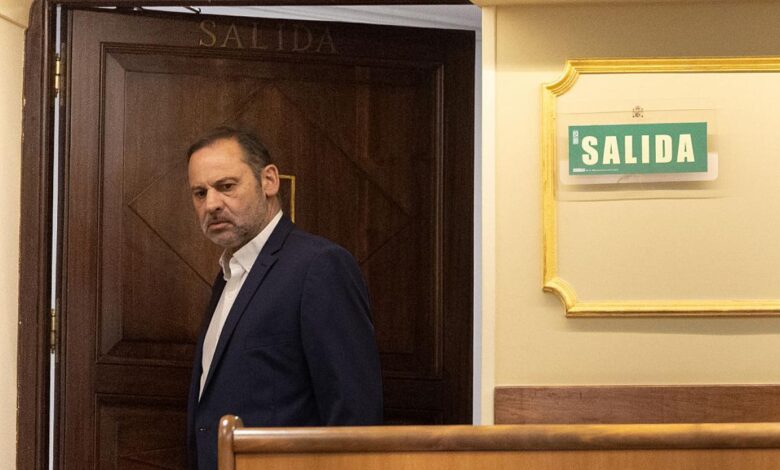
Spain’s Supreme Court has come into the spotlight after the anti-corruption prosecutor and public prosecutors demanded that former Transport Minister José Luis Ábalos remain in custody until his trial begins. The high-profile case revolves around the purchase of medical masks at the height of the pandemic, when the country was scrambling to secure protective equipment for the public.
At Thursday’s hearing, both sides presented their arguments regarding the appeal filed by Ábalos’s defense team. The panel of judges must now issue a ruling that could be decisive not only for the former minister himself, but also for public perceptions of anti-corruption efforts in Spain.
Positions of the Parties
Ábalos’s defense, represented by both his former and current lawyers, insisted that there was no valid reason to keep him in custody. According to them, the judge relied on “groundless arguments” and “procedural tricks” to send the ex-minister to jail. The attorneys stressed that their client has no intention of evading justice, and that all the risks cited by the prosecution are unfounded.
The defense placed particular emphasis on Ábalos’ personal circumstances. It was noted that he has a minor son who is under his care on weekends, as well as a permanent residence in Spain known to all interested parties. According to his lawyers, these facts indicate strong social and family ties, making it unlikely that the former minister would attempt to flee.
Position of the prosecution
At the same time, the Prosecutor’s Office and the representatives of the public prosecution, notably the Partido Popular, maintained a tough stance. They argue that releasing Ábalos pending trial could jeopardize the integrity of the investigation and might lead to witness intimidation or destruction of evidence. In their view, only keeping the former minister in custody can ensure he does not interfere with the case.
The prosecution also recalled the precedent set by another defendant in the case—businessman Víctor de Aldama, who made a confession after spending time in pre-trial detention. According to prosecutors, this detail demonstrates that remand is effective in establishing the full picture of what happened.
Internal disagreements
The situation was further complicated when Abalos’s former lawyer, Carlos Bautista, declined to continue his defense due to disagreements with his client. However, the judge insisted that he attend the hearing unless a request to postpone the session was filed. As a result, two defense attorneys were present in the courtroom, adding further tension to the proceedings.
For his part, Abalos told the court that he considers the preventive measure excessive and unfair. He claims that he was sent to jail based on ‘vague suspicions’ rather than concrete evidence. According to the former minister, the goal of his arrest is not to uphold justice, but to pressure him into cooperating with the investigation, as other defendants have done.
Awaiting a decision
Now all eyes are on the Supreme Court, which must decide Abalos’s fate. The question of whether he will remain in prison until the start of the trial has sparked fierce debate between the defense and the prosecution. For Spanish society, this case has become a symbol of the fight against high-level corruption and a test of the judiciary’s independence.
Regardless of the outcome, the Abalos case has already become one of the most talked about in the country. It touches not only on issues of legality and justice, but also personal drama, internal conflicts, and political ambitions. In the coming days, it will become clear which path Spanish justice will choose—and how this decision will shape the course of events.