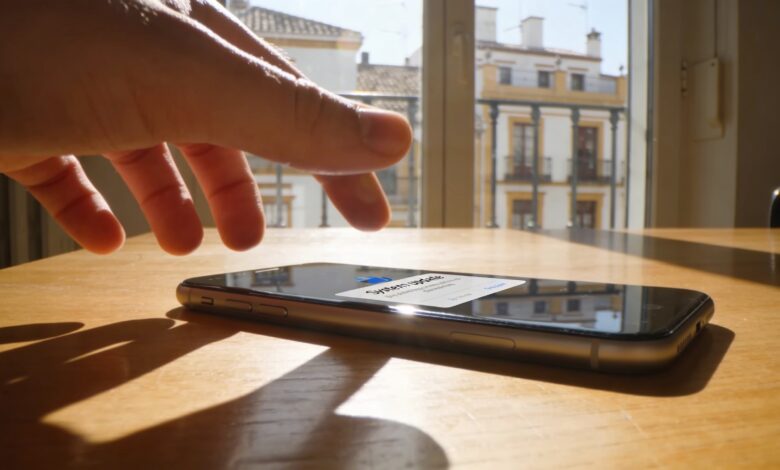
The sudden release of iOS 26.4.1 has become a significant event for iPhone owners in Spain. Apple’s decision is linked to the discovery of new vulnerabilities that could threaten the security of personal data. While there are no noticeable changes to the interface, the update addresses key aspects of device protection, which is especially relevant amid the growing wave of digital threats in the country.
The company decided to release iOS 26.4.1 just a few weeks after the previous version, even though testing of iOS 26.5 is already underway. This move highlights the seriousness of the identified issues. According to RUSSPAIN, Apple has not yet disclosed the details of the vulnerabilities fixed, but promises to publish a technical report soon. This is standard practice for such updates, as information about patches is released with a delay to prevent attackers from exploiting vulnerabilities.
Update highlights
Users will not notice new features or design changes after installing iOS 26.4.1. The main goal is to eliminate hidden threats that are not visually apparent but may be used for unauthorized access to the device. Dozens of vulnerabilities had already been fixed in the previous version, but new problems required an immediate response. In Spain, where the level of digitalization is high, such updates are critical for protecting personal information and preventing cyberattacks.
The update is available for all iPhone models starting from iPhone 11. This means that most users in the country can take advantage of the new system version. The installation process remains the same: go to your device’s settings, select the “General” section, and open “Software Update.” You can also use a Mac or Windows PC by connecting your phone via cable and following the standard instructions.
Practical details
The update is small, so downloading and installing it usually takes only a few minutes. However, the speed depends on your internet connection, so it’s recommended to use a stable Wi-Fi network and make sure your battery charge is above 20%. These are the minimum requirements to avoid interruptions during the update. If any issues arise, Apple suggests trying again or contacting support.
For users who delay updates because there are no new features, it’s important to remember: timely installation directly affects your device’s security. Even if you don’t notice any visual changes, patches close potential loopholes for attackers. As cyber threats become more sophisticated, ignoring such updates can be risky.
Context and implications
In recent years, Apple has regularly released interim updates to address critical vulnerabilities. This practice emerged in response to a growing number of attacks targeting mobile devices. Cases of data breaches via smartphones have increased in Spain, as confirmed by national cyber center reports. As a result, each new update is seen as an important step in ensuring digital security.
At the same time, testing of iOS 26.5 continues, with more noticeable changes and new features expected. However, it is often these ‘invisible’ updates like iOS 26.4.1 that prove most significant for user protection. According to RUSSPAIN.COM, ignoring such patches can lead to serious consequences, including personal data leaks and financial losses.
Looking back at recent incidents, it is worth noting that in 2025 Apple had already released emergency updates to fix critical vulnerabilities that could be exploited for remote access to devices. At the time, many users in Spain faced phishing and malicious attacks, prompting greater attention to smartphone security. Such situations demonstrate that even small updates can play a crucial role in protecting digital life.