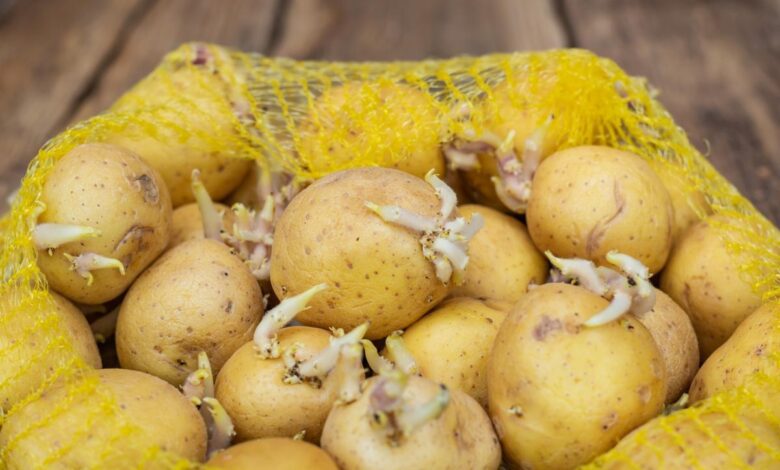
Potatoes have long been a staple food in Spain, but few people consider what happens to tubers when they develop sprouts or green spots. The safety of such vegetables is a concern for many, especially parents of young children. Recent clarifications from Dr. Vladimir Sánchez, Doctor of Chemical Sciences at Universitat Rovira i Virgili (Tarragona), have shed light on this debated issue.
Sánchez explains that the main danger lies in solanine—a natural alkaloid found in potatoes. When tubers start sprouting or turning green, the concentration of this compound increases sharply. Solanine can affect the nervous system and cause a range of unpleasant symptoms, from mild stomach discomfort to serious neurological disorders. However, an adult would have to eat a considerable amount of spoiled potatoes to reach a dangerous dose.
Solanine: the invisible threat
Solanine is neither a myth nor a housewives’ scare tactic. This compound can indeed be toxic if its concentration exceeds a certain threshold. Experts estimate that a hazardous dose ranges from two to five milligrams per kilogram of body weight. For adults, this is quite a lot, but for children, it takes far less. That’s why young children and infants are at a much higher risk.
Symptoms of solanine poisoning are often mistaken for a common intestinal infection: nausea, vomiting, and diarrhea. Sometimes headaches and confusion are added, and in severe cases — seizures. However, most people are unlikely to eat enough spoiled potatoes for this to happen: the bitter taste and unpleasant smell quickly put them off.
Children at risk
European food safety experts have repeatedly emphasized that children are especially vulnerable to solanine. Their bodies are smaller, so a toxic dose is reached faster. Even a small amount of sprouted or green potatoes can cause serious problems. Parents should be particularly vigilant: dishes should not be prepared from potatoes that have sprouted or have green spots, even if it seems these can simply be cut off.
For adults, on the other hand, a dangerous dose would require eating more than one plate of such potatoes. Still, it’s not worth taking any chances: the unpleasant taste and odor are sure signs that the product belongs in the trash.
When potatoes become dangerous
Sánchez advises not to take risks and to throw away any potatoes that have started to sprout or have changed color. Even if it seems possible to cut away the spoiled parts, it’s impossible to completely get rid of the solanine. This is especially important for families with small children, pregnant women, and people with weakened health.
In Spain, where potatoes are often bought in sacks and stored for weeks, the risk of sprouting and green spots is particularly high. It is important to monitor storage conditions: a dark, cool place will help slow down sprouting and keep the potatoes fresh for longer.
Prevention and common sense
Experts agree: it’s better to be cautious and avoid eating potatoes that show signs of spoilage. Even though it may take a large amount of spoiled potatoes to cause poisoning in adults, discomfort can occur with much smaller doses. For children, just a couple of pieces can be enough.
In Spain, where potato dishes are served in every home, the safety of this product remains a relevant topic. Don’t ignore simple rules: if you have any doubts, throw away suspicious potatoes. Health is more important than saving money.