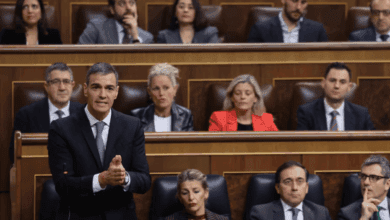
The Spanish government once again used an official press conference after the Council of Ministers meeting to sharply criticize its regional opponents. This behavior by the ministers is becoming a noticeable trend, shaping the country’s political climate. For residents of Madrid and across Spain, it signals an intensifying standoff between central authorities and regional leaders, potentially leading to new conflicts and shifts in governance.
Political stage
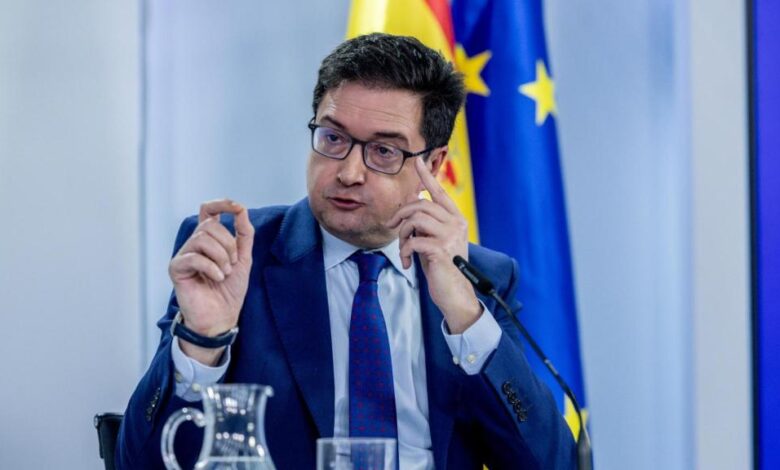
This time, Minister of Digital Transformation Óscar López, who also leads the Madrid branch of PSOE, openly accused the president of the Madrid region, Isabel Díaz Ayuso, and the mayor of Móstoles. Instead of addressing government decisions, López focused on criticizing regional politicians, sparking a strong reaction in political circles. According to Ale Espanol, this approach has become routine: ministers are using public platforms to advance party interests and put pressure on the opposition.
During his speech, López touched on the scandal involving the mayor of Móstoles, accused of inappropriate behavior, and linked his actions to Ayuso’s political style. He also mentioned the head of the Madrid president’s administration, hinting at the influence of party strategies on regional politics. When asked about the internal crisis within PSOE in Alcalá de Henares, the minister deferred, citing the competence of the regional party branch.
The role of other ministers
Not only López, but also other members of the government, including Pilar Alegría, María Jesús Montero, Diana Morant, and Mónica García, regularly use press conferences to attack regional opponents. This turns the weekly briefings into an extension of party debates, rather than a discussion of decisions important for the entire country. According to RUSSPAIN.COM, this practice has already sparked controversy when authorities imposed limits on media revenue from state advertising, which was also seen as an attempt to strengthen control over the information space.
Government spokesperson Elma Saiz accused the Partido Popular (PP) of making concessions to far-right forces and criticized their approach to education and social policy. She stressed that the private university model endorsed by Ayuso undermines opportunities for social mobility through public education. Saiz also condemned the PP’s stance on voting against the new social package, without mentioning objections from other government allies.
Implications for the political climate
Minister for Social Rights Pablo Bustinduy broadened the discussion by addressing the future of left-wing forces and the prospects of parties within the Sumar coalition. His remarks provided another example of how official events are used to promote internal party interests and shape public opinion.
According to observers, such actions by ministers could further intensify tensions between the central and regional authorities. This impacts public perception of the government’s work and citizens’ trust in institutions. When political debates extend beyond parliamentary walls and move onto official platforms, the risk of politicizing state processes increases.
In recent years, Spain has seen more frequent cases of officials using state resources to advance party interests. For example, the recent debate over limiting media revenue from state advertising sparked heated arguments about transparency and media independence. Such developments highlight just how acute the issue of balancing public responsibility against party rivalry is in modern Spain.