The sharp rise in fuel and energy prices is once again putting Spanish family budgets at risk. Amid escalating tensions in Iran, authorities in Madrid are calling on the central government to take immediate action to protect the public. The focus is on reducing the tax burden on gasoline, gas, and electricity—a potential key step toward stabilizing prices and preventing further increases in household costs.
Pressure on the government
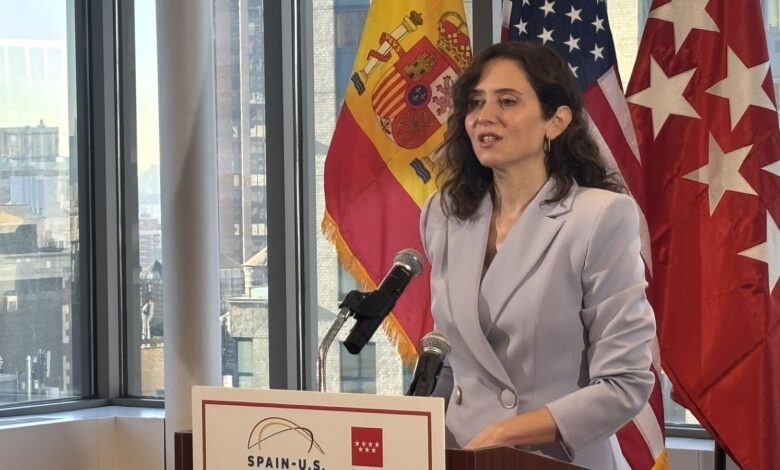
During an official visit to New York, the head of the Madrid region, Isabel Díaz Ayuso, publicly called on Pedro Sánchez’s government to lower VAT on fuel, gas, and electricity. She believes the current tax rates are worsening families’ financial situations, while the state treasury is seeing record revenues. Ayuso stresses that without urgent action, Spain risks facing even more severe economic consequences than those experienced after the start of the conflict in Ukraine.
A similar strategy was already used in 2022, when prices for food and utilities surged due to the war in Ukraine. At that time, Madrid’s regional authorities not only demanded tax cuts but also introduced their own support measures: transport compensation, adjustments to the regional income tax, and other initiatives to contain inflation. Now, however, the regional government has limited itself to public pressure on Madrid, without announcing new support programs.
Foreign policy context
Ayuso used her trip to the US to criticize Pedro Sánchez’s stance on the use of the Rota and Morón military bases during the Iran crisis. She stressed the importance of choosing allies among Western countries, including France, the UK, Germany, Italy, and the US. In recent months, the Madrid leader has actively shown support for the US administration, including through symbolic gestures such as awarding the Madrid International Community Medal and organizing events celebrating Spanish-speaking heritage.
During her three-day visit to New York, Ayuso also met with business representatives and investors, highlighting the region’s appeal to foreign investment. She stated that Madrid intends to strengthen ties with Western countries, despite political differences within Spain. According to regional authorities, only an open economic policy and support for entrepreneurship can protect the country from the effects of external crises.
Response and consequences
While the central government has yet to announce new measures to reduce energy taxes, pressure from regional authorities is growing. Ayuso insists that without liberal reforms, Spain may face an exodus of young people and declining investment appeal. At the same time, as El Confidencial notes, regional initiatives remain mostly statements, while concrete steps are still at the discussion stage.
The issue of reducing taxes on fuel and energy is becoming increasingly relevant amid rising prices and uncertainty in global markets. According to russpain.com, similar demands were already voiced during the Ukrainian crisis, when the government introduced temporary gasoline subsidies and reduced VAT on essential goods. Now, the situation is repeating itself, but decisions are being made more slowly, causing dissatisfaction among the public.
In the context of current events, it is worth recalling that Madrid has previously taken initiatives to protect citizens’ interests during international conflicts. For example, last year, when NATO intercepted a missile headed for Turkey, Spanish authorities insisted on a diplomatic resolution and the launch of economic support measures. You can learn more about Spain’s response to such crises in the article on Madrid’s demands for an immediate ceasefire and the protection of civilian interests — details on Spain’s position in international conflicts.
In recent years, Spain has faced several waves of rising energy prices driven by both foreign policy crises and domestic economic challenges. In 2022, following the outbreak of hostilities in Ukraine, the government was forced to introduce temporary fuel subsidies and reduce taxes on essential goods. These measures helped partially stabilize the situation but did not fully resolve the problem. Now, amid a new crisis, experts expect similar initiatives to be repeated, but the pace of decision-making remains slow. As a result, many regions, including Madrid, continue to call for more decisive action from the central government.