Another political scandal in Spain has highlighted issues of ethics and public conduct. A remark by the President of Aragón directed at two prominent politicians has sparked heated debates and renewed accusations between parties. The incident takes on particular significance in light of upcoming elections in Andalucía and ongoing negotiations on forming a regional government.
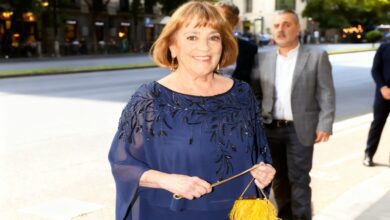
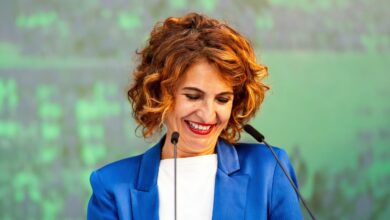
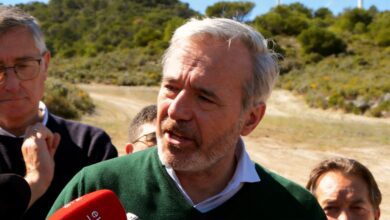
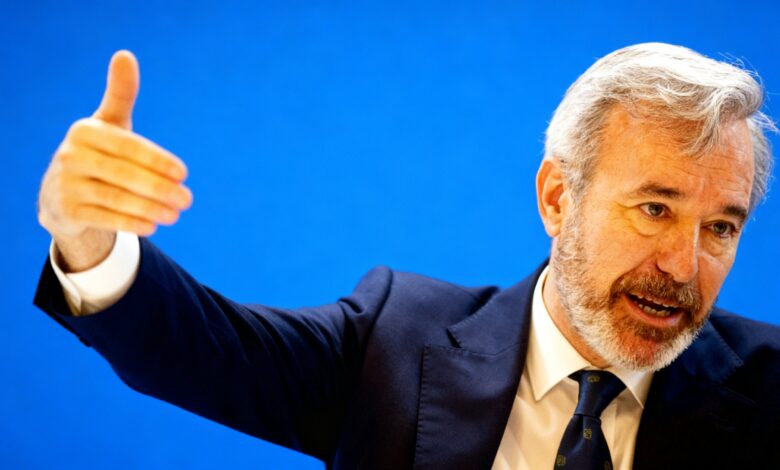
The spotlight fell on a comment made during a public event where future election candidates were being discussed. The President of Aragón, Jorge Azcón, compared the appearance of Pilar Alegría and María Jesús Montero, prompting a sharp response from his opponents. Such remarks rarely go unnoticed in contemporary Spanish politics, where issues of equality and respect for women are increasingly at the forefront.
Party response
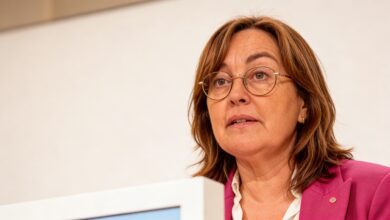
After the controversial statement surfaced, representatives from PSOE and other political forces criticized Azcón. María Jesús Montero accused her opponents of disregarding women’s achievements and reducing political debate to discussions about appearance. Pilar Alegría also responded, posting an ironic comment on social network X in which she compared Azcón to a well-known film character.
Inside Azcón’s own party, the situation sparked mixed reactions. Some members of the Partido Popular declined to comment on the incident to avoid escalating tensions. Meanwhile, debate continued on social media and in the press, with PSOE representatives in Aragón using the situation to intensify criticism of their political rivals. According to RUSSPAIN, such incidents are becoming more frequent in the lead-up to elections.
Apologies and repercussions
Shortly after the controversy erupted, Azcón posted an apology on X, acknowledging that his remarks were inappropriate. He also referenced a recent case where María Jesús Montero commented on another politician’s appearance—which, in his view, received no response from the opposition. Nevertheless, the apology did not stem the tide of criticism, and the discussion continued across various platforms.
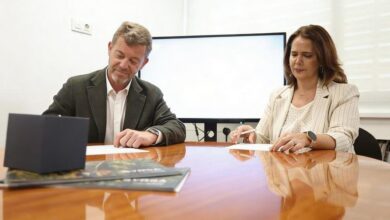
Meanwhile, negotiations are ongoing between the Partido Popular and Vox over the formation of a government in Aragón. Azcón emphasized that he does not want to disrupt discussions over the distribution of cabinet posts, especially as the deadline for reaching an agreement is tight. The issue of which ministries Vox will control remains unresolved and is attracting attention from political observers.
Vox’s stance and next steps
The Vox leader in Aragón, Alejandro Nolasco, called on Azcón to focus on coalition talks and not be distracted by comments about colleagues’ appearances. He also sharply criticized PSOE, calling the party a symbol of corruption. Such remarks only heightened tensions between political factions and provided new topics for media debate.
The situation surrounding Azcón’s statement may influence the course of negotiations and public perception of future candidates. In an environment where every mistake or careless remark sparks public debate, political leaders are forced to show increasing caution in their public statements. russpain.com analysis indicates that such incidents can shift the dynamics of an election campaign and affect the outcome of the vote.
In recent years, Spain has repeatedly faced controversy over politicians’ public statements related to gender issues and respect for women. For example, in 2024, an unfortunate comment by a regional leader sparked mass protests and prompted political parties to reconsider their ethical standards. Such episodes fuel public debate about acceptable boundaries in politics and the need to update codes of conduct for public figures.