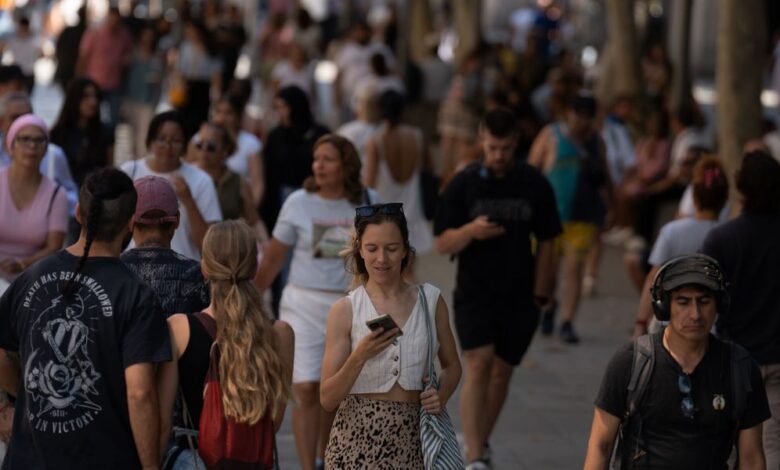
Barcelona is once again in the spotlight—this time due to noise levels. According to a recent study, the Catalan capital ranks second only to New York in terms of loudness, surpassing major cities such as Delhi and São Paulo. The ranking is based on an analysis of several factors: population density, number of tourists, intensity of nightlife, traffic congestion, and acoustic pollution. Each of these parameters influences the final score, with a maximum possible rating of 150. Barcelona scored 112, while New York received 134.
However, not everyone agrees with the city rankings. Acoustics experts point out that while the research methodology is generally sound, there are some nuances. For example, it is important to distinguish between daytime and nighttime noise, and to consider not only street sounds but also indoor sources. In addition, the amount of construction—both private and municipal—affects noise perception, which directly impacts residents’ comfort.
What sets Barcelona apart is that it’s not so much the cars, but the people who are the main contributors to city noise. Urban life here thrives in the streets, and a mild climate combined with countless terrace cafés only fuels this activity. As a result, even in relatively quiet neighborhoods, noise levels can spike in summer when the tourist flow peaks. For example, on Rambla del Poblenou, the difference between winter and summer readings reaches 6–7 decibels. Meanwhile, in districts with year-round nightlife, such as Tuset street or certain parts of Gràcia, noise levels remain virtually unchanged throughout the year.
This mix of seasonal and permanent noisy areas creates a unique acoustic landscape for the city. The Mediterranean climate encourages people to spend more time outdoors, which keeps the overall noise level consistently high. Still, not all experts agree that Barcelona is the world’s second loudest city. Some argue that other cities—like Mexico City or Delhi, where traffic and high population density generate even greater noise—should top the list.
Authorities and urban planners are seeking ways to reduce acoustic pollution. Proposed solutions include the creation of superblocks, lowering speed limits on certain streets, and implementing new technologies. For example, special sound-absorbing surfaces and noise monitoring systems in venues are being utilized. However, completely eliminating street noise in Barcelona is unlikely, as local culture values lively outdoor socializing. Experts emphasize that only a comprehensive approach combining smart planning, innovation, and changes in residents’ habits can deliver noticeable results.