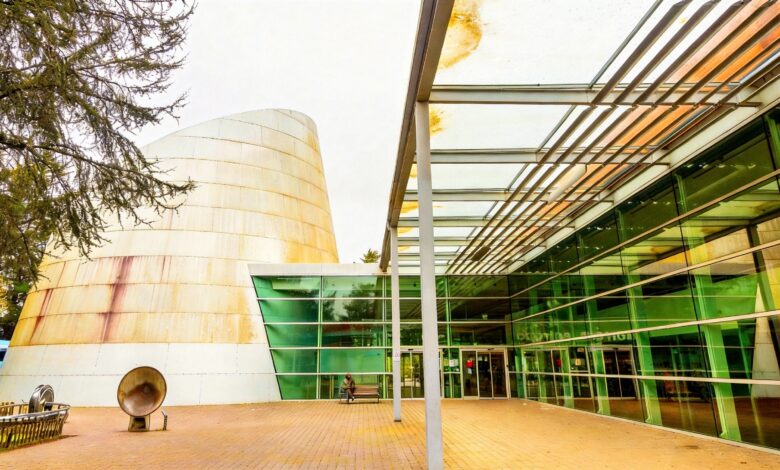
The decision to close the Eureka! museum in San Sebastián came as a sudden blow to residents of the Basque Country. This move not only means the loss of the region’s only major science center, but also reduces opportunities for educational and cultural initiatives that have nurtured an interest in science among young people and adults for many years. For many families and schools, the disappearance of such a venue means they will have to look for alternatives outside the autonomous region.
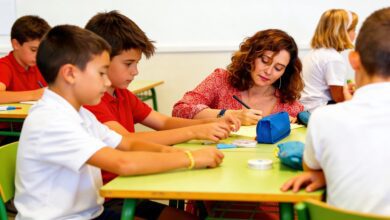
As reported by El Pais, the museum, located in the Miramon Technology Park, will close by the end of June. In its place, a new, much smaller center called “Atenea” will open in the Tabakalera building. However, the new space will cover just 500 square meters compared to the previous 8,000, and will not be dedicated exclusively to science. This has raised concerns among teachers and the scientific community, as the former museum welcomed up to 100,000 schoolchildren annually and offered unique interactive exhibitions that cannot be replicated in the new format.
Public response
Following the announcement of Eureka!’s closure, an online petition was launched to keep the museum open. The initiative was led by Idoya Mugica, PhD in Chemistry, who emphasizes that losing such a center is more than just the disappearance of a cultural site—it is the loss of a strategic resource for education and regional development. In just one day, more than 4,100 people signed the petition, reflecting the scale of public discontent.
There is particular outrage over the fact that the new center will not offer visitors facilities such as an astronomical observatory linked to the Hubble telescope, or a digital planetarium with a unique dome. In addition, the familiar sculpture of Albert Einstein that greeted guests at the entrance will disappear. According to RUSSPAIN.COM, such changes may force residents of the Basque Country to travel to Barcelona, Madrid, or other Spanish cities to visit science museums.
The foundation’s position and the staff’s future
The Kutxa Foundation, which has funded Eureka! since its opening in 2001, explains the closure as a necessary transition to new formats of science communication. In their view, the previous model has become outdated and does not meet current requirements for educational spaces. The foundation’s statement emphasizes that this is not a museum relocation, but the end of an era. All 16 museum employees are promised jobs in other units of the foundation to avoid layoffs.
However, representatives of the Eureka Bizirik movement and many educators believe the new center cannot match the previous scale and quality of educational services. They point out that the specialized laboratories, workshops, and interactive modules—over 270 in total—will not be accommodated in the new space. This is especially important for schools, which cannot independently organize such activities.
Context and implications
The closure of Eureka! comes amid other cultural changes in the region. For example, the authorities in the Basque Country recently secured the temporary return of Picasso’s famous painting ‘Guernica’ to Bilbao, sparking public debate and discussion about the role of cultural symbols in the life of the autonomous community. You can read more about this event in the article on the relocation of Picasso’s ‘Guernica’ to Bilbao.
The fate of the Eureka! building remains unclear. The foundation has not disclosed its plans for future use. Meanwhile, a museum ticket cost 10 euros, and a visit to the planetarium was an additional 4 euros, making it affordable for most families. In recent years, visitor numbers declined, but at its peak, the museum could cover up to half of its expenses independently.
Similar cases in Spain
In recent years, Spain has seen a decline in large science museums and centers, especially in regions where funding for culture and education relies on private foundations. For example, there was discussion in Valencia about closing part of the City of Arts and Sciences exhibitions, and several years ago, an interactive science museum in Málaga was shut down due to lack of funds. Such changes often prompt protests from teachers and parents, as they directly affect access to science education for children and young people. At the same time, major cities like Barcelona and Madrid continue to open new spaces focused on the STEAM approach, highlighting a growing gap between opportunities in the capital and in the regions.