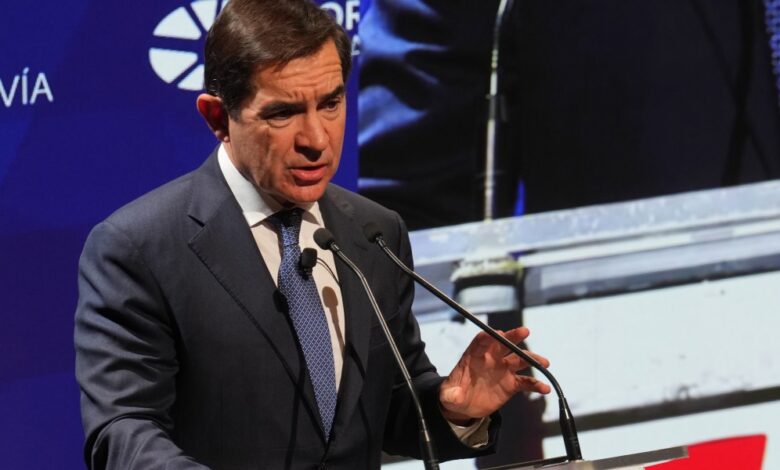
A new round of debate over housing affordability is heating up in Spain. Carlos Torres Vila, head of BBVA, recently delivered a sharp critique of current regulations, which he believes are stifling the real estate market. According to the banker, the situation with apartment and home prices has long gone beyond normal market dynamics and become one of the main problems for Spaniards.
Torres Vila is convinced that unless urgent action is taken, the gap between supply and demand will only widen. He notes that around 300,000 new households form in the country each year, but only half as many homes are built. This imbalance, he says, inevitably drives prices up and turns homeownership into an unreachable dream for many families.
Housing shortage and regulatory barriers
According to the BBVA chief, the root of the problem lies not in bank lending, but in overly complex and outdated procedures for approving new projects. Torres Vila cites the large-scale development in the north of Madrid—Madrid Nuevo Norte—as an example. The project has been under discussion since the 1990s, but still remains unrealized. He stresses that if it takes 15 to 20 years to turn a vacant lot into a residential neighborhood, there is little hope for a quick resolution to the housing crisis.
The banker emphasizes the need for flexible and modern regulatory tools that would speed up the process of land conversion for development and allow projects to adapt to society’s changing needs. According to him, current laws do not allow for a swift response to population growth and shifting demand.
The impact of migration and demographic challenges
Torres Vila draws attention to another factor—the constant influx of migrants, which fuels demand for housing. He notes that even if demand remained stable, the existing shortage would still make it impossible to stabilize prices. However, with the country’s population increasing due to immigration, the gap between the number of new homes and the number of people in need continues to widen.
The expert stresses that the only way to balance the market is to ramp up construction rates. At the same time, he sees no point in limiting demand, insisting that Spain must be prepared for further population growth and the corresponding changes in infrastructure.
Economy, investment, and the role of banks
In his speech, Torres Vila also touched on the topic of the country’s economic resilience. He noted that Spanish banks offer mortgage loans on terms more favorable than government loans. In his opinion, this demonstrates the high reliability of the financial system and its readiness to support citizens in acquiring housing.
However, despite positive trends in employment and domestic demand, investment in construction and infrastructure development is lagging behind market needs. Torres Vila believes that to boost productivity and prosperity, more funding needs to be directed toward education, innovation, and the development of human capital.
Political uncertainty and growth prospects
The head of BBVA also addressed political risks. According to him, the lack of an approved budget and ongoing political instability could negatively affect investment activity. Nevertheless, he notes that, thanks to European funds and strong domestic demand, Spain’s economy continues to grow, even though investment rates have yet to meet expectations.
Torres Vila emphasizes that if reforms are not accelerated and approval procedures are not streamlined, Spain risks remaining stuck for a long time with housing becoming increasingly less affordable for most citizens. He urges authorities to take decisive action so as not to miss the opportunity for sustainable development.
In case you didn’t know, BBVA is one of the largest banking groups in Spain and Europe, founded in the 19th century. Today, BBVA is actively involved in financing construction projects, supports innovation in the banking sector, and is a leader in mortgage lending. Carlos Torres Vila has headed the bank since 2018 and is known for his initiatives in digitalization and sustainable development.
Recall that we previously reported that the country’s largest developers also called for urgent reforms in the housing construction and infrastructure sectors. In Málaga, issues of housing shortages and problems with the power grid were discussed. You can learn more about the position of construction companies and their proposals in our article. “Spanish developers demand urgent reforms over housing and power grid crisis”.