In Bilbao, attitudes toward saying goodbye to loved ones are changing. The city cemetery now officially allocates special areas for families who have lost children during pregnancy or shortly after birth, as well as for pet owners. The new rules, which come into effect in 2025, reflect shifts in society and an effort to make the process of parting more humane and open.
María González lost her daughter in late pregnancy. Nine years ago, she found that talking about perinatal loss was nearly impossible. Along with others who shared her experience, María founded the Esku Hutsik association to support families in similar situations and to seek recognition for their pain. Thanks to their efforts, Bilbao is now home to the Basque Country’s first memorial to infants lost before or shortly after birth.
Perinatal experience
For a long time in Spain, there were no legal mechanisms for parents to officially say farewell to a child who had not survived at least a day outside the womb. Such losses were treated as medical cases, not personal tragedies. Only in recent years has this begun to change: hospitals have introduced new support protocols, and cemeteries now offer special areas for farewells.
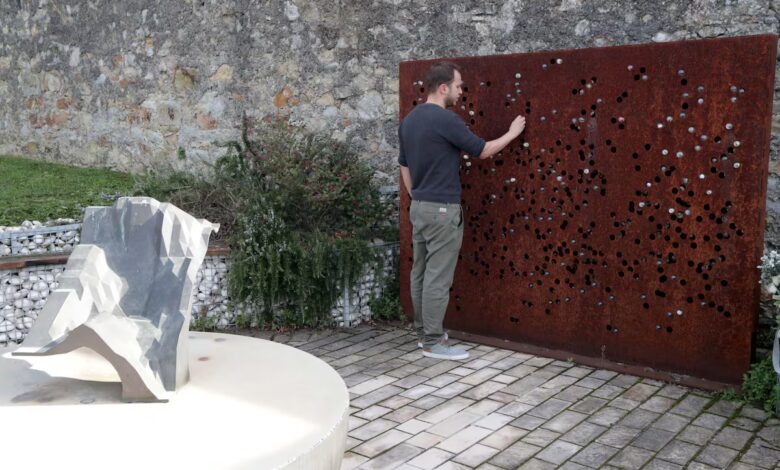
In Bilbao, this process has taken on special significance. Here, a sculpture symbolizing a mother’s womb was installed, along with an art piece featuring openings where parents can place keepsakes: a baby sock, a drawing, a bracelet. This spot has become a place of solace for those seeking support and a way to express their feelings.
Pets and New Traditions
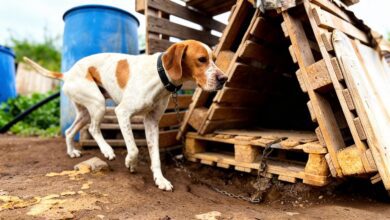
The updated cemetery regulations include not only areas for perinatal grief. In a city where there are more dogs than children, a section for bidding farewell to pets will also appear. Starting in 2027, owners will be able to cremate their pets—dogs, cats, ferrets—and scatter their ashes in a special remembrance forest zone.
The process will be organized in three stages: first, the animal will be collected in a special vehicle equipped with a refrigeration chamber, then cremated, after which the family can say their farewells in a quiet corner with a fountain and trees. Weight and species restrictions are clearly set: no more than 80 kilograms and no less than 10 grams, meaning horses and fish do not qualify.
A Place for Everyone
The Bilbao cemetery is not just a place of remembrance, but also a reflection of the city’s diversity. About 400,000 people are buried here—more than the entire population of Bilbao itself. Special attention has been given to the Muslim community, which makes up about 4% of the population. A dedicated area has been allocated for them, increasing its capacity from 76 to nearly 3,000 graves to accommodate the traditions and needs of this group.
Most Muslims prefer to be buried in their homeland, but for those who remain, there is now an opportunity to observe religious rites. Unlike others, they do not practice cremation, making the question of available space especially important for them. At the same time, cremation is gaining popularity among other city residents, which helps reduce the cemetery’s burden.
Memory and the Future
In the unused sections of the cemetery, a democratic memory zone is planned. It will feature a sculpture, a plaza for ceremonies, and a symbolic trench where the remains found in mass graves will be interred. This project highlights the city’s commitment to remembering the past and respecting the diverse histories of its residents.
If you didn’t know, the Bilbao cemetery (Cementerio de Bilbao) is the largest in the province of Bizkaia and one of the most important in the Basque Country. It’s not just a burial place—it is also creating new traditions of remembrance, bringing together different cultures and generations. The Esku Hutsik association was the first in the region to speak openly about perinatal loss and helped change society’s attitude toward this issue. Today, the Bilbao cemetery stands as an example of how a city can care for its residents even after they’re gone.