In Madrid, the disappearance of a well-known cat from Retiro Park triggered a wave of concern among residents and volunteers. The case highlighted the importance of complying with street animal protection laws and keeping citizens informed about proper handling rules. The story of the cat’s return sparked discussions about new measures for monitoring animal colonies in the capital.
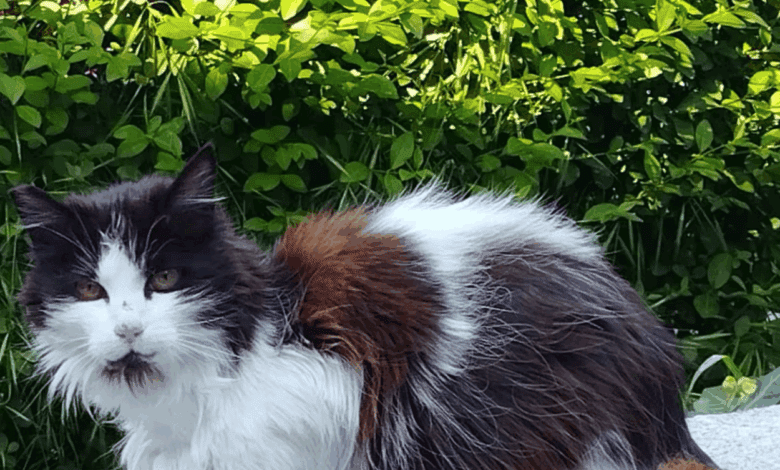
The disappearance of a 19-year-old cat named Princesa did not go unnoticed. She had long become a symbol of Retiro, and many park-goers would look forward to seeing her at her favorite bench. When Princesa failed to appear one day for her regular volunteer, who usually brought her food, a search was launched. According to El Pais, suspicions quickly focused on possible human interference, as there had previously been attempts to take the cat home.
The search and the return
Volunteers from the Retiro Cats Friends Association (AGAR) contacted municipal police and veterinary services. It was soon discovered that a couple from the United Kingdom, after observing Princesa in the park for several days, had taken her. They placed the cat in a carrier and brought her to a veterinary clinic for a health check, intending to adopt her. However, clinic staff, having found a chip and a designation linking her to the colony, reported the situation to AGAR.
After receiving explanations, the British couple decided against adopting Princesa once they learned her age and specifics of life in the colony. A veterinary examination showed the cat was healthy, though she had lost some weight due to her years. Volunteers noted that the stress of relocation affected her negatively, but after returning to the park, Princesa recovered quickly.
Rules and Laws
The Princesa incident reminded the public of Spain’s laws governing the treatment of stray animals. Law 7/2023 prohibits removing cats from their habitat without municipal permission. Exceptions are made only for sick animals or those that are fully socialized and ready for adoption. Violating these rules can result in fines from €500 to €200,000.
AGAR points out that many locals are unaware of protected cat colonies and often act on personal feelings alone. However, acting independently can harm the animals and disrupt their established routines. The association has increased its outreach on social media and plans to install new signs in the park to prevent similar incidents.
Life in the Colony
Like most cats in Retiro, Princesa has a small notch on her ear—a sign that the animal is neutered and under observation. The CER method (Catch, Neuter, Return) has been used in Madrid since 2008. Currently, around 270 cats live in Retiro, most of them older than 12. Volunteers take pride in the fact that their charges often live longer than most domestic pets.
If passersby have questions about a cat’s condition or the possibility of adoption, experts recommend contacting Madrid Salud—only there can you get official information and advice. New shelters will soon appear in the park, with signs indicating that care is provided by AGAR.
In recent years, Spain has seen a rise in cases where tourists or local residents try to take street animals home, unaware of existing regulations. In 2025, a similar incident occurred in Barcelona, where volunteers also returned a cat to its original location after an attempted removal. In Valencia, there was a case involving a dog taken from a park without permission, leading to administrative proceedings. These stories highlight the importance of public awareness and compliance with laws to protect animals and preserve urban ecosystems.