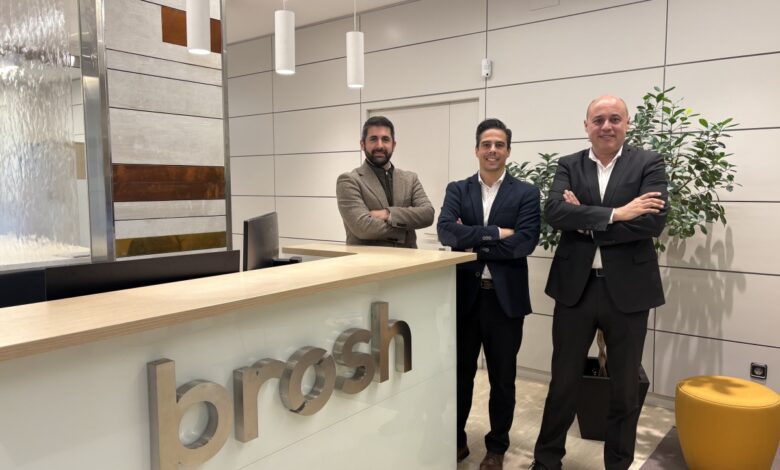
The family-run company Brosh, specializing in residential real estate, has announced major investments: over the next few years, it plans to spend 100 million euros annually on acquiring land plots. The goal is to bring up to 10,000 new apartments to the market, which is expected to significantly shift the balance of power in Spain’s construction sector.
Company growth and new horizons
Brosh was founded in 2011, at a time when the real estate market was facing tough times. Within a few years, the small team expanded to 60 employees, not counting construction crews. By 2014, the company was building 100 apartments, and by 2022, that number had grown tenfold. Currently, around 2,500 projects are underway, with plans to reach 3,000 in the near future. Starting in 2026, Brosh expects to consistently launch 1,000 new apartments each year.
Diversification and regional specifics
One of the key factors behind the company’s success has been its focus on different market segments. Since 2018, Brosh has been actively developing cooperative projects, especially in the affordable housing sector. This approach allows the company to work with land plots that are not attractive for traditional development. In Catalonia, the company has concentrated on building social housing, driven by local legislation and strong demand. At the same time, Brosh is implementing mid- and high-end projects in Madrid and Málaga. In Barcelona’s suburbs, such as Cerdanyola and Viladecans, Brosh is acquiring land for new residential complexes to meet the growing demand for housing outside the city center.
Financial Strategy and Expansion Plans
Brosh fundamentally avoids using bank loans to purchase land, relying exclusively on its own funds. This approach allows the company to maintain control over its projects and respond quickly to market changes. Brosh’s portfolio already includes plots sufficient for the construction of 10,000 apartments, with some properties set to be sold to generate returns and further growth. Currently, 60% of projects are concentrated in Madrid, 25% in Málaga, and 15% in Catalonia. The company plans to expand into the markets of Andalucía, Alicante, Cádiz, and the Canary Islands. However, Brosh is not rushing expansion—preferring to strengthen its position in regions where it is already established.
Technology and Workforce Challenges
A shortage of skilled construction workers has prompted Brosh to adopt modern building techniques, including industrialization and the use of prefabricated structures. This has accelerated project delivery times, as already seen in one of their Catalonia developments. In Madrid and Málaga, the company has its own construction divisions, but most work is handled by contractors. If issues arise with contractors, Brosh is prepared to complete projects independently.
Impact of Foreign Demand and Housing Affordability
Malaga is experiencing a significant increase in interest from foreign buyers, which is driving up property prices and making housing less affordable for locals. Brosh is seeking ways to make apartments more accessible to Spaniards, including through cooperative models. The company is also considering partnerships with municipalities, but faces strict requirements for participation in government programs. Nevertheless, Brosh continues to negotiate with authorities to develop affordable housing projects in the future.
Plans for 2025 and long-term prospects
Next year, Brosh plans to deliver 320 apartments in Malaga, aiming to generate around 90 million euros in revenue from this region alone. The company currently has 37 active projects across the country. Brosh focuses on self-financing, diversifying housing formats, and gradually expanding its reach to ensure sustainable growth and achieve its ambitious goal — to build another 10,000 apartments in the coming years.