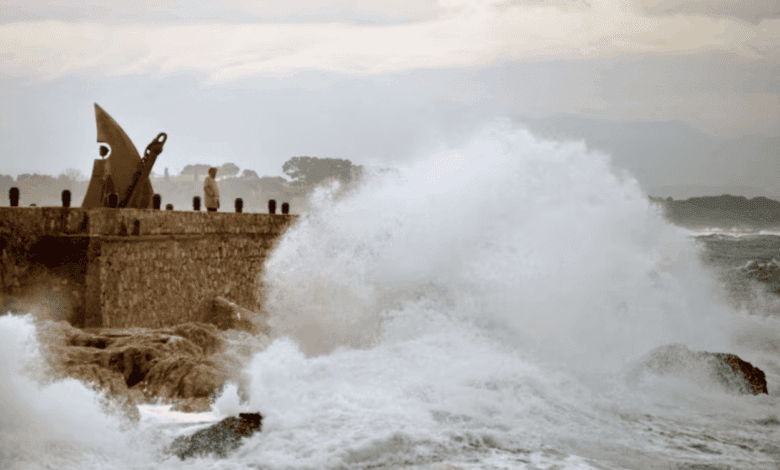
A sharp deterioration in weather conditions in the Canary Islands has forced educational institutions to urgently adjust their usual routine. Authorities have decided to temporarily close CEFPAFD and switch to distance learning. This measure follows recommendations from relevant agencies that warned of health and safety risks associated with travel around the archipelago in the coming days.
According to RUSSPAIN, the strict measures are due to forecasts from meteorologists predicting adverse weather events. Authorities fear that a combination of strong winds, rainfall, and other factors could pose a threat to everyone involved in education. Therefore, on Friday, March 20, CEFPAFD will remain closed, and all classes will be held online. This decision helps minimize risks and maintain the educational process without major disruptions for students.
Education system response
The emergency transition to remote learning requires schools and teachers to adapt quickly. In recent years, similar situations have already occurred in the Canary Islands, when weather disasters or emergencies led institutions to temporarily move classes online. Now, educational platforms and digital tools make it possible to organize lessons with minimal interruption, but for many families this brings additional challenges.
Authorities emphasize that the decision to close CEFPAFD has been made solely for safety reasons. Classes will continue as usual on Thursday, March 19, giving everyone time to prepare for the upcoming changes. Parents and students are advised to monitor the institution’s official communication channels and respond promptly to any updates.
Implications for students and parents
The forced switch to remote learning could disrupt the daily routines of many families. Not all students have equal access to the internet and required devices, adding further challenges. Nevertheless, past experience shows that the education system of the Canary Islands can respond quickly to such situations and ensure the continuity of the learning process.
Regional authorities urge the public to remain calm and avoid unnecessary travel during adverse weather conditions. The safety of children and school staff remains the top priority. If the situation worsens, further measures may be introduced and announced in advance.
Context and previous experience
In recent years, the Canary Islands have repeatedly had to temporarily close schools due to extreme weather conditions. For instance, in 2023, similar measures were taken during heavy rains and strong winds, when several municipalities switched completely to remote learning. At that time, educational institutions quickly established online communication, and most students continued their studies without significant delays. Such measures help minimize health and safety risks and keep the educational process stable even in emergency situations.