Cartagena embarks on a new stage of its seafront transformation. The city is preparing to invest over 7 million euros in the fourth phase of its large-scale renovation project, which promises to reshape the familiar coastline. This time, the focus is not only on tourists but also on locals, for whom the promenade has long been part of daily life.
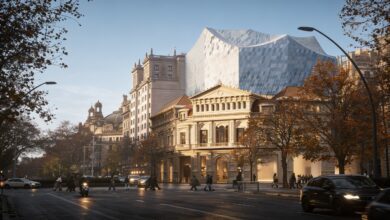
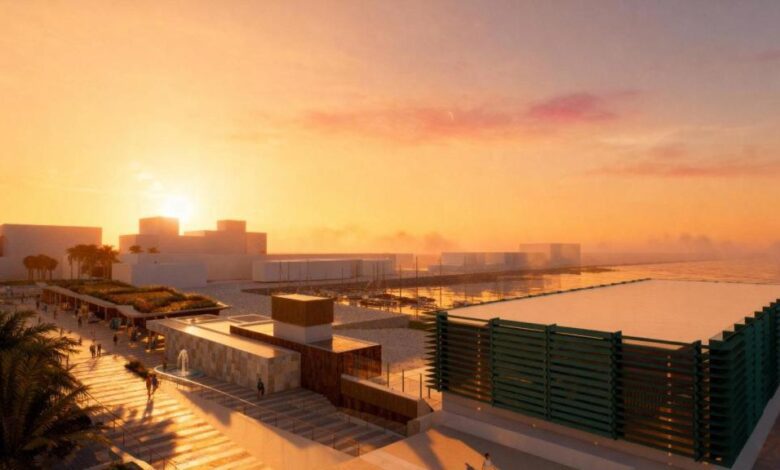
The project includes the construction of a modern commercial building covering 1,235 square meters. It will house the Centro de Interpretación del Puerto de Cartagena as well as service facilities for visitors and residents. A key priority is the restoration and integration of the historic Muralla de Carlos III into the urban landscape, a landmark that has long been overshadowed by port infrastructure.
City and port
The renovation is part of the ‘De Faro a Faro’ concept, aimed at uniting the city and port areas. Cartagena’s authorities and the port administration are striving to create an open, accessible space that prioritizes pedestrians, cyclists, and e-scooter users. This is more than just another upgrade—it’s the creation of a new urban identity, where the port serves as a bridge, not a barrier, between the city and the sea.
Construction will take place near the entrance to the Cruise Terminal (Terminal de Cruceros), which has long been Cartagena’s calling card for international visitors. However, the renovated waterfront aims to become not only a tourist attraction but also a comfortable space for strolling, meeting, and relaxing for local residents.
A modern approach
The project places particular emphasis on ecology and comfort. Architects have planned green roofs, light pergolas covered with climbing plants, numerous flowerbeds, and even a water feature to bring coolness on hot days. All this should turn the waterfront into an oasis amid stone and asphalt, where people can escape the sun and urban bustle.
A new promenade will connect pedestrians, cyclists, and electric scooter enthusiasts. This approach to urban space has long been in demand across European cities, and now Cartagena is taking a confident step in the same direction. Officials don’t hide their ambition: the goal is not just to update the façade, but to create a vibrant, dynamic space that people want to linger in.
Historic legacy
Special attention will be given to the restoration of the Carlos III Wall. This 18th-century monument was hidden behind port facilities for many years and went largely unnoticed. Now, it is set to become a centerpiece of the new waterfront, emphasizing the city’s historical continuity and its ties to the sea.
Rest areas, shade, and benches will be installed around the wall, along with information panels telling the story of Cartagena’s past. This approach not only preserves historical heritage, but also reinterprets it, making it part of contemporary urban life.
Looking Ahead
The fourth phase is set for completion in 12 months. During this time, the promenade will be completely transformed, gaining new features and a modern look. The project has a budget of €7,255,674, underlining the city authorities’ strong commitment.
Cartagena is prioritizing sustainability, comfort, and openness. The city aims to set an example for other Spanish port hubs, where historic heritage and innovative solutions go hand in hand. The coming year promises change and will undoubtedly reshape daily life along the waterfront.