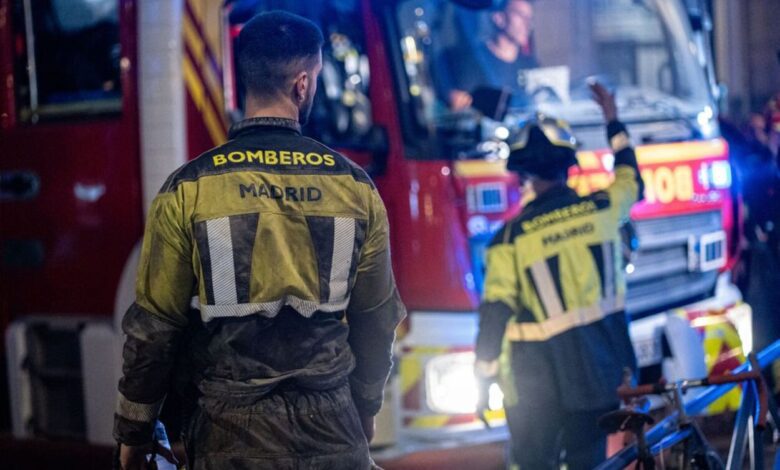
A wave of layoffs has begun in Castilla y León among forest firefighters working for private companies under contract with regional authorities. After the most severe fire season in the region’s history—which claimed five lives, including two firefighters, and destroyed over 150,000 hectares—around two thousand specialists have received termination notices. The region has about five thousand workers in this sector, and a significant portion now has to look for new sources of income.
For many, this is not their first experience with such uncertainty: seasonal work has long been the norm, while job security is rare. Waiting for new hiring rounds—which, according to preliminary reports, may not take place until 2026—people are forced to make do as best they can. Some are preparing for civil service exams to secure a permanent position, others are picking up temporary jobs, and some are on medical leave.
Searching for solutions
Within the professional community, there are growing calls to create a year-round team of firefighters to improve training and provide effective prevention. A young specialist, Alejandro García, who is only 25, is currently studying to become a firefighter and hopes to enter the competition for a forest agent position in the regional administration. However, the exact dates for the exams remain unknown, and the outlook is uncertain.
Veteran firefighter José Luis Fernández Campano, who has dedicated 26 years to battling forest fires, found himself out of work back in October. He trusts the authorities’ promises of future staffing stability, but so far, no concrete action has been taken. According to him, there is virtually no work during the off-season, and sometimes he has to do tasks like maintaining forest roads or other support work.
Challenges and Disappointment
Firefighters do not hide their frustration: working conditions are far from ideal, and officials’ promises often remain just words. Campano points out that many colleagues have to take on any odd jobs they can find to make ends meet. At the same time, some still hope for improvements and are waiting for new job openings to be announced.
Another employee, Javier Galán, received notice that his contract was ending just as he was preparing for a hernia operation. He complains that the insurance company refused to recognize his illness as work-related, adding more complications to an already difficult situation.
Life Between Seasons
Many try to stay connected to their field and look for work related to forestry. A young man from Valladolid, aged 24, participated in wildfire suppression for the first time this year. Now he is preparing for exams, knowing that his contract will soon expire, even though he hasn’t received an official notification yet.
For most firefighters without annual contracts, the off-season is a time of uncertainty. Some pursue their studies, others take temporary jobs, while some simply wait to be called back to duty. They all hope for change—a future where their profession will be more secure and stable.
Demands on the authorities
Firefighters in Castilla y León continue to call for the creation of a permanent national operations headquarters. They believe this is the only way to ensure effective preparation for wildfire seasons and provide decent working conditions for all employees. For now, however, the workforce must cope with instability, temporary contracts, and a lack of guarantees for the future.