Catalonia is launching a large-scale initiative to control the wild boar population. Regional authorities have announced the creation of a special task force that will address the regulation of these animals. According to experts, there are currently around 125,000 wild boars in the region, and their numbers could rise to 180,000 in the summer due to the breeding season.
The main goal of the new program is to reduce the wild boar population by at least half. To achieve this, efforts will be combined between various government agencies, municipalities, and hunting groups. Authorities believe that only a comprehensive approach will deliver significant results and help minimize the risks associated with the spread of African swine fever.
Background and objectives
The sharp increase in the wild boar population in recent years has become a serious problem for Catalonia. These animals damage agriculture, destroy crops, and pose a danger to road safety. In addition, high population density contributes to the spread of dangerous diseases, including African swine fever, which threatens not only wildlife but also the region’s pig farms.
Authorities note that similar measures have already been successfully implemented in the Collserola natural park in Barcelona. There, coordinated efforts cut the wild boar population in half in a relatively short time. Now, they plan to scale this approach across all of Catalonia.
Implementation mechanisms
As part of the new strategy, a so-called ‘Taula del Senglar’ will be created — a coordinating platform that will include representatives from various government agencies, municipalities, and hunting organizations. It is expected that this joint effort will enable the development of effective solutions for controlling the animal population.
One of the key tools will be the expansion of the logistics network for collecting and processing wild boar meat. Authorities plan to allocate additional funding for modernizing infrastructure and supporting hunters to make the process more transparent and safe for all involved.
Situation on farms
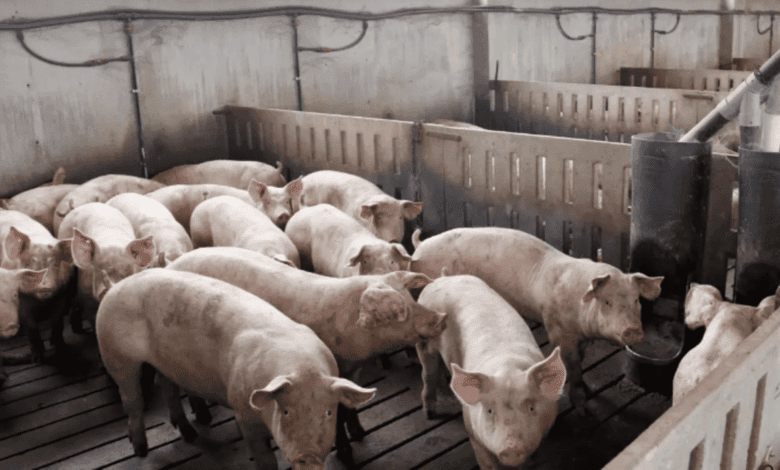
Special attention is being given to protecting pig farms. According to the latest data, all PCR tests conducted on 16 farms located outside the 20-kilometer zone around the initial outbreak have returned negative results. This means that the African swine fever virus has not yet entered commercial farms nor spread through supply chains.
Within the risk zone itself, where 55 farms are located, not a single case of infection has been detected. Authorities emphasize that the situation is under control, and all necessary biosecurity measures are being fully enforced. As of now, the number of confirmed cases among wild boars remains at 13.
Economic consequences
The spread of African swine fever has already impacted the region’s economy. Some mergers and acquisitions in the meat industry have been put on hold, and producers are being forced to revise their plans. The authorities in Catalonia are actively negotiating with foreign markets to maintain export positions and minimize losses for the sector.
The introduction of new measures to control the wild boar population is expected to reduce risks for farmers and stabilize the market situation. Thanks to a comprehensive approach, it is expected that agriculture can not only be protected, but also the region’s ecosystem balance preserved.
If you didn’t know, Òscar Ordeig is the advisor for agriculture, livestock, fisheries, and food in the government of Catalonia. He is actively promoting initiatives to protect farmers and develop the agricultural sector. Under his leadership, programs to combat African swine fever and support local producers are being implemented. In recent years, Ordeig has become one of the key figures in regional food security issues.