Amid growing global uncertainty, the fate of Catalonia’s budget has become a key concern for residents. The decision to approve it is directly linked to the ability to ensure stability and social protection in the coming months. Against the backdrop of economic risks associated with the conflict in Iran, the budget debate takes on special significance for all those who rely on government support programs.
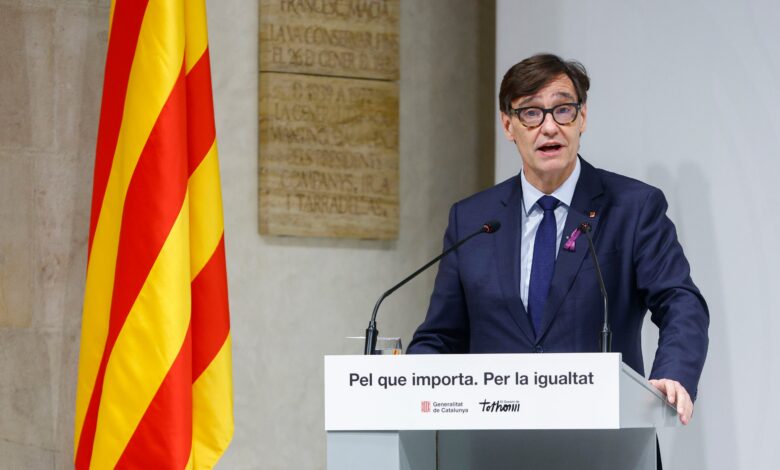
According to El Pais, Salvador Illa, head of the Generalitat, has called on Oriol Junqueras and his ERC party to act responsibly and support the budget proposal. Illa believes that only by approving new financial plans can Catalonia avoid a standstill and maintain access to vital resources. He emphasized that, under current circumstances, the budget is the primary tool for protecting the population from the impact of external crises.
Political disagreements
Despite previous agreements with Comuns, ERC’s support remains decisive for passing the budget. However, Junqueras’s party continues to demand changes to the IRPF collection system, which is stalling the approval process. Without naming opponents directly, Illa stressed the need for collective responsibility and urged all political groups to put Catalonia’s interests above party differences.
During an extraordinary meeting of the Consell de Diàleg Social de Catalunya held Saturday morning at the Palau de la Generalitat, Illa addressed the economic threats posed by the conflict in Iran. He noted that we are already seeing stock indexes decline, commodity prices rise, and a likelihood of faster inflation. According to him, the government is prepared to respond quickly and protect jobs, as it did during past trade wars.
Emergency measures and new initiatives
Next Tuesday, the Generalitat plans to create a dedicated task force for ongoing monitoring of the geopolitical situation and for developing measures to safeguard the economy and the social sector. The draft budget for 2026 includes record investment in housing policy—approximately 1.9 billion euros. These funds will be directed towards infrastructure development, tenant support, and addressing the housing crisis, which has intensified in recent years.
According to El Pais, Illa emphasized that without passing the budget, the region risks losing significant funding and finding itself in a state of uncertainty. He reminded that Catalonia’s stability depends on the timely approval of financial plans, and any delays could negatively impact all areas of life. It’s worth noting that similar challenges have been discussed at the national level, for example following the elections in Aragón, when new political alliances had to be formed—learn more in the article on the start of negotiations between PP and Vox after the elections.
Context and consequences
As external threats intensify pressure on the economy, passing the budget has become not just a technicality but a strategic imperative. Illa insists that only coordinated action by all political forces will allow Catalonia to maintain stability and prevent cuts to social programs. Otherwise, the region risks slower economic growth and a declining quality of life.
In recent years, Catalonia has already faced difficulties approving its budget, leading to delays in infrastructure projects and social support measures. Such situations have eroded trust in the government and sparked public discontent. Now, amid new challenges, the issue of budget approval takes center stage, and the choices politicians make will determine whether the region can effectively withstand internal and external threats.
Reflecting on recent events, it is worth noting that similar political crises have repeatedly affected Spain’s economic landscape. For instance, after the elections in Aragón, coalition-building among parties became a key factor in passing regional budgets and launching new development initiatives. These processes underscore the importance of political willingness to compromise for the common good. As external shocks become more frequent, timely approval of budgets is crucial for ensuring the resilience and progress of the regions.