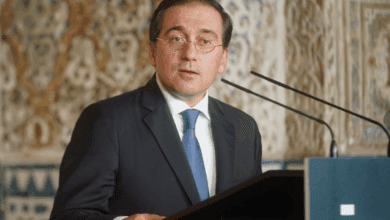
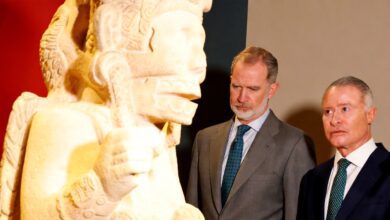
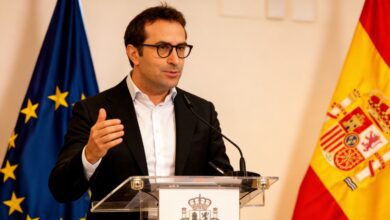
A political conflict has flared up again in Catalonia: the trigger was a visit by the head of the Generalitat, Salvador Illa, to Madrid for the celebration of Spanish National Day, which coincided with devastating floods in the south of Tarragona. Representatives of Junts and ERC seized the opportunity to criticize Illa, accusing him of prioritizing state festivities over the needs of residents in the affected areas.
While in municipalities like Godall, floodwaters were inundating the streets and locals were assessing the damage, the president of Catalonia was in the country’s capital. Pro-independence politicians immediately accused him of favoring the ‘Spanish agenda’ over the region’s real problems. Carles Puigdemont, visibly emotional, publicly questioned Illa’s priorities, while in the Catalan Parliament, rebukes were voiced against the president for his absence at the scene of the disaster.
Republicans from ERC also joined the criticism. Their representative pointed out that Illa should have been by the residents’ side, rather than attending ceremonies in Madrid. According to the opposition, the head of the region was obliged to lead on-site coordination of emergency services, rather than giving preference to monarchical rituals.
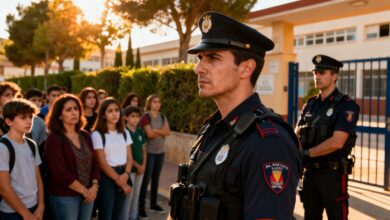
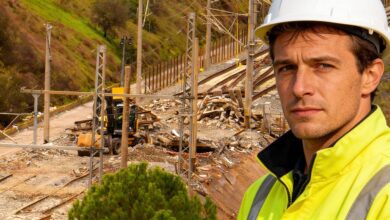
However, despite the loud statements, emergency services and alert systems in Catalonia functioned without serious failures. This time, unlike the tragedy in September, there were no casualties. Nevertheless, the political controversy flared up not so much because of the disaster itself as because of the symbolic significance of Illa’s participation in the national holiday. For many independence supporters, his presence in Madrid was a red flag, since previous Catalan leaders had ignored such events.
While the rains continued to cause damage, Junts representatives did not miss the opportunity to compare Illa to other regional leaders who canceled their plans to help those affected. In response, the Socialists chose not to engage in public disputes but focused on their work: Illa and the Minister of the Interior of Catalonia personally visited the affected areas, and a crisis meeting was held in Tortosa.
Ultimately, beneath the surface dispute over the authorities’ actions lies a deeper conflict about Catalonia’s place within Spain. For the opposition, this episode became a convenient excuse to once again raise the issue of national identity and the region’s autonomy. In the coming days, debates are expected to continue in parliament, where Illa will have to respond to his opponents’ accusations.