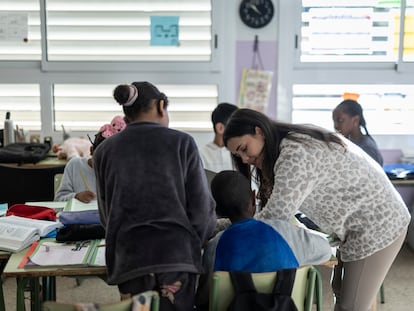
Catalonia is considering a possible increase in payments for teachers, which could significantly impact educators’ living standards and the region’s educational landscape. After a major strike that drew attention to the issues facing education workers, authorities proposed raising the regional component of teachers’ salaries. This decision could mark a turning point for many schools and shift the balance between Spain’s regions.
According to the proposal being discussed by the government, the regional bonus component—which has remained unchanged for a quarter of a century—would increase by 3.75% annually over four years. As a result, by 2029, teachers could receive €1,500 more per year. For primary school teachers, this means an increase from €705 to about €810 per month, and for secondary school teachers—from €720 to €830. However, the implementation of these changes directly depends on the approval of the 2026 budget.
Terms and details
Catalan authorities emphasize that this is the first proposal to raise the regional salary component in 25 years. According to the education department, this step would help bring teachers’ earnings closer to the national average. In addition to the regional bonus, an 11.5% federal increase over the same period will also affect total earnings. Ultimately, if all conditions are met, primary school teachers could earn up to €37,500 per year, and secondary school teachers up to €42,200.
On Thursday, the authorities plan to present this project to the unions. The total cost of the initiative is estimated at 300 million euros. However, officials immediately warn: if the budget is not approved, the increase in payments will be in jeopardy. Additionally, other measures are under discussion, such as increasing hours for coordinators, raising payments for digital technology specialists, expanding the staff for inclusive education, and reducing the number of students in first-year secondary school classes from 30 to 27 by the 2028-2029 academic year.
Union response
Catalonia’s largest teachers’ union, Ustec, believes the authorities made concessions only because of the mass strike on the 11th. Union representatives call the proposal minimal and insufficient, as they had previously demanded the regional bonus be doubled. They also point out that many initiatives lack financial backing, and the timeline for reducing class sizes appears too slow and not ambitious enough.
The union also highlights differences in how other categories of workers are treated. For example, Mossos d’Esquadra police employees have already been promised a €4,000 annual increase, and this measure does not depend on budget approval. Authorities explain the discrepancy by noting that the pay raise for teachers would cost the budget six times more than for the police.
Context and consequences
The Catalan authorities also plan to remove some job requirements related to digital skills and new methodologies to simplify the hiring process. This decision could affect the staffing structure in schools and speed up the renewal of the teaching staff. Reducing the number of students per class remains one of the most pressing issues, as it directly impacts education quality and teachers’ workload.
According to ElPais, the final decision on all these matters will depend on whether it is possible to reach an agreement and approve the budget for next year. If no compromise is found, many of the proposed changes may remain only on paper. Meanwhile, the discussion of new conditions has already sparked a wave of debate among teachers and experts, who are closely following the situation as it unfolds.
In recent years, disputes over the pay of education workers have repeatedly surfaced in Spain. In 2024, similar protests took place in Madrid and Andalusia, where teachers also demanded higher salaries and better working conditions. Authorities made some concessions at the time, but many issues remained unresolved. Similar initiatives are being discussed in other regions, pointing to the systemic nature of the problem and the need for comprehensive solutions at the national level.