Catalonia is on the brink of a budget crisis: negotiations between Esquerra Republicana (ERC) and the Spanish government over transferring tax revenues have once again stalled. This decision directly affects the funding of key regional projects and may impact thousands of residents awaiting new investments and social programs. With economic stability depending on timely budget approval, the lack of compromise between Madrid and Barcelona is causing concern among businesses and ordinary citizens.
Unsuccessful meeting
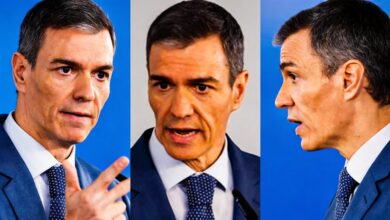
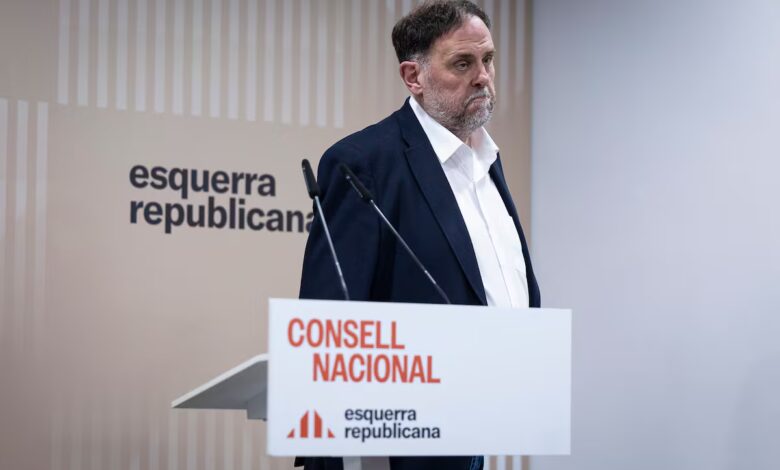
On Friday, Prime Minister Pedro Sánchez met with ERC leader Oriol Junqueras in Madrid. According to El Pais, the sides failed to reach an agreement on granting Catalonia the right to manage personal income tax (IRPF) collection. For the Republicans, this was a key condition for supporting the budget. Despite attempts by the Socialists to soften their stance, ERC remained dissatisfied with mere promises, insisting on an official confirmation from the central government.
Catalonia’s President Salvador Illa publicly declared his readiness to support the transfer of tax powers, but this proved insufficient. ERC expected a high-ranking representative of the Spanish government to confirm the possibility of discussing this issue within the framework of the new autonomy financing system. As a result, the party refused to continue budget talks until it receives concrete guarantees.
Political repercussions
The situation is further complicated by the fact that Illa needs the support not only of the Comuns but also ERC to reach the threshold of 68 votes in the Catalan parliament to approve the budget. Without the Republicans, the government risks entering the next year without a ratified budget, which could lead to a freeze on several programs and delays in implementing infrastructure projects.
According to El Pais, ERC had already drafted a bill to transfer fiscal powers but withdrew it, hoping to achieve the desired changes through amendments to the future law on regional financing. However, even here, reaching an agreement with the Socialists proved impossible. The Spanish government emphasizes that it remains open to dialogue but insists on the need to strike a balance between the interests of all regions.
Intraparty debates
In the coming days, Oriol Junqueras will address his party members at the national council to explain the reasons behind the breakdown in negotiations and to outline other initiatives being discussed with Madrid. Among them is the creation of an investment consortium to accelerate the implementation of state projects in Catalonia. Within ERC, pressure is mounting from activists demanding more decisive action in talks with the central government.
Meanwhile, political arguments over Sánchez’s role in regional conflicts continue across Spain. Recently, as noted in the coverage of the pressure on Sánchez following the tragedy in Adamuz, the opposition is ramping up criticism of the government, accusing it of failing to reach compromises with the regions.
Context and implications
The issue of reallocating tax revenues between Madrid and the autonomous communities remains one of the most contentious topics in Spanish politics. Catalonia has repeatedly encountered difficulties in reaching budget agreements, leading to temporary funding freezes and delays in social program implementation. In recent years, similar disputes have arisen in other regions, such as the Basque Country and Valencia, where local authorities have also demanded greater financial autonomy. Each time, the lack of consensus between the central government and the regions has resulted in protracted negotiations and growing political tension.