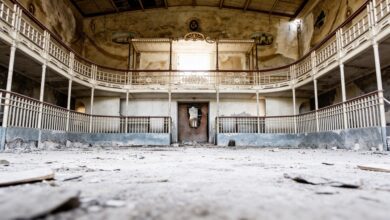
A sharp social conflict has erupted again in Badalona. After the recent eviction of people from the abandoned B9 institute building, dozens of migrants were left homeless. The eviction was ordered by the court, but the process was marred by violations: no alternative accommodation was provided, leaving many without support. City services offered no assistance, and Mayor Xavier García Albiol openly stated that he would not provide them with any resources.
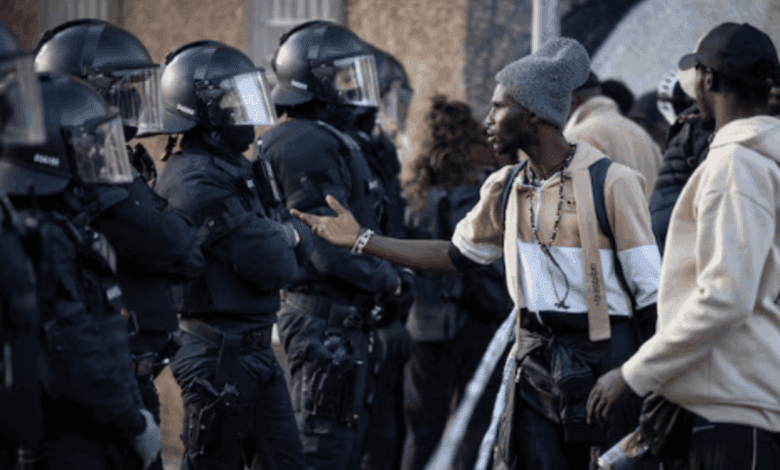
For several days after the eviction, the city was hit by heavy rain. Some of the former residents managed to find temporary shelter on their own, but a significant number spent the nights on the streets. On Sunday morning, the charity Cáritas tried to arrange overnight accommodation for 15 people at the Mare de Déu de Montserrat church in the Sant Crist neighborhood. However, a group of local residents blocked the entrance, preventing the homeless from going inside. The mayor was also present at the scene but offered no solution to the problem.
Authorities’ response
The actions of the municipality sparked a wave of criticism from civil society organizations. Representatives of Cáritas and Badalona Acull repeatedly stated that local authorities are ignoring their obligations to support people in emergency situations. In recent years, social programs have been scaled back or completely eliminated, and little to no aid is provided to those in need.
Mayor Albiol, when asked about the fate of the evicted individuals, simply stated that these people are in the country illegally and that the city lacks the resources to support them. This approach has sparked outrage among some residents and human rights activists, who believe the municipality is obliged to help anyone in need, regardless of their status.
Rising tensions
Badalona is the third largest city in Catalonia with a population of over 230,000. Despite this, even minimal support for 15 homeless individuals proved impossible. The situation escalated after local residents, fearing for their safety and influenced by rhetoric about “illegals,” refused to let the migrants take shelter in a church. Many who blocked the entrance said their actions were driven by fear and distrust of newcomers.
Xenophobic and anti-migrant sentiments have intensified in the city. In public statements, the mayor has repeatedly emphasized he will not spend city funds to help undocumented individuals. This has led to heated debates on social media and in public spaces, with some residents supporting the authorities’ hardline stance while others demand a more compassionate approach.
Historical context
Interestingly, the church that denied entry to the homeless has itself long been a symbol of rights struggles. After the fall of the Franco regime, it was occupied by activists demanding the opening of a public school. Now it has become a battleground between local residents and migrants seeking asylum.
Some of those opposing aid for the newcomers have their own family histories of migration. During the dictatorship, many Catalans were forced to leave their homes in search of a better life. Today, however, part of society—forgetting its own past—supports tough measures against new arrivals.
Public outcry
The events in Badalona have sparked a major public outcry. The city is now divided: some demand strict adherence to the law and oppose any assistance for migrants, while others insist on the need for solidarity and support for all those facing hardship. Heated debates continue in social networks and city squares over how the authorities should act in such cases.
Meanwhile, dozens of people are still sleeping on the streets, and city officials have yet to propose a solution. The situation remains tense and it is unclear whether it will lead to policy changes or only deepen the social divide.