Another political scandal has erupted in Spain, once again raising questions about the transparency of the government and the ruling party. Unexpected arrests and suspicions of fraud involving state contracts have come under the spotlight, sparking a wave of debate among politicians and the public.
Last night, reports emerged of the arrest of an employee known in political circles as the “reporter-fountain.” Her name had already come up in investigations related to attempts to discredit law enforcement officials and judges through leaked recordings. Now, new allegations have surfaced—this time involving suspected manipulations in the awarding of government contracts.
Arrests and Connections
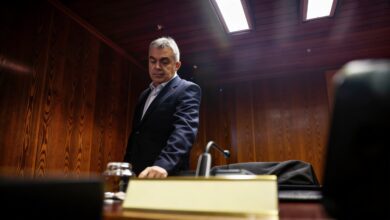
That same day, Vicente Fernández Guerrero, the former head of SEPI—a state holding company personally appointed by Pedro Sánchez’s government—was also detained. While he is relatively unknown to the general public, Fernández Guerrero is considered a highly influential figure in political circles with strong ties to the Ministry of Finance.
As it turned out, Fernández Guerrero was linked to several companies that received government contracts, as well as to former senior officials and longtime political allies. Notably, his activities overlapped with the work of Leire Díez, who, after a career as a freelance journalist, was hired by a state-owned uranium company subordinate to SEPI.
Internal conflicts
Other members of the Socialist Party also worked at Leire Díez’s company and years later found themselves once again at the center of legal proceedings. According to available information, Fernández Guerrero himself collaborated with Servinabar, a firm linked to well-known political figures. All this points to a complex web of personal and professional ties running through state institutions.
Tensions are mounting within the government and party. A series of corruption scandals, investigations into contract allocations, and internal complaints about misconduct have seriously undermined the atmosphere within the PSOE ranks. Many are comparing the current situation to the crises that once rocked Felipe González’s government.
Leadership response
President Pedro Sánchez chose to respond to opposition criticism by referencing a ministerial survey on workplace harassment. This move was seen as an attempt to avoid addressing tough issues and puzzled even party supporters. Behind the scenes, it’s said that such tactics only reinforce the sense of confusion and loss of direction among the leadership.
Until recently, PSOE representatives insisted all corruption cases were isolated incidents. Now, however, the party faces a steady stream of new scandals: dismissals, forced resignations, and high-profile claims of alleged false accusations erupt in places like Torremolinos and Lugo.
Loss of Control
More and more political observers are expressing the view that the ruling party has lost its ability to respond quickly to crises and manage the situation effectively. In the past, PSOE was able to swiftly shift public attention by generating new talking points or shaping a narrative to its advantage. Now, however, this strategy appears to have stopped working, and scandals continue to multiply.
Events of recent weeks have shown that even the most seasoned political strategists can’t always prevent leaks or stop a wave of revelations. As a result, trust in the government and its leaders continues to decline, while public opinion grows increasingly critical.