The investigation into the deaths of elderly people in nursing homes during the first wave of the pandemic continues in Madrid. This time, the court’s attention is focused on the main author of the patient triage protocols, who is required to provide written evidence that he opposed the controversial criteria. This demand followed his testimony at the court in Collado-Villalba, where he reiterated statements he had made earlier at another court hearing.
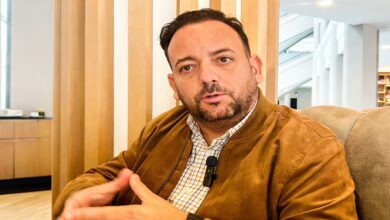
Doctor Javier Martínez Peromingo, who is facing proceedings in several courts of the Madrid autonomous community, is currently refraining from commenting to the press. His testimony could prove decisive as the court seeks to determine whether discrimination occurred in the provision of medical care at public institutions, specifically regarding the hospitalization of elderly patients.
Accountability and Accusations
According to representatives of the families, Peromingo tried to shift responsibility onto high-ranking official Carlos Mur, who commissioned the development of the controversial protocols. Mur is also under investigation, but has not appeared in court in person, although he has expressed his willingness to cooperate with the investigation. Another figure in the case, Pablo Busca, head of the Summa 112 emergency service, also failed to attend the hearings.
Family lawyer Carlos Castillo stated that Peromingo acknowledged the first three versions of the protocols—dated March 18, 20, and 24, 2020—as exclusionary and discriminatory toward certain categories of patients. However, according to him, these provisions were revised in the final edition on March 25.
Essence of the protocols
More than twenty geriatricians, including Peromingo himself, were involved in developing and implementing the protocols. All versions of the documents advised against transferring patients with pronounced mental or physical dependency to hospitals. Initially, the Barthel scale was used for this assessment, later replaced by a special frailty evaluation scale.
Peromingo claims that the documents he sent to Carlos Mur differed from those later circulated by email and led to allegations of discrimination. He also noted that geriatricians were informed about upcoming medical support in the residences, but in practice, this support was never provided.
Implementation in practice
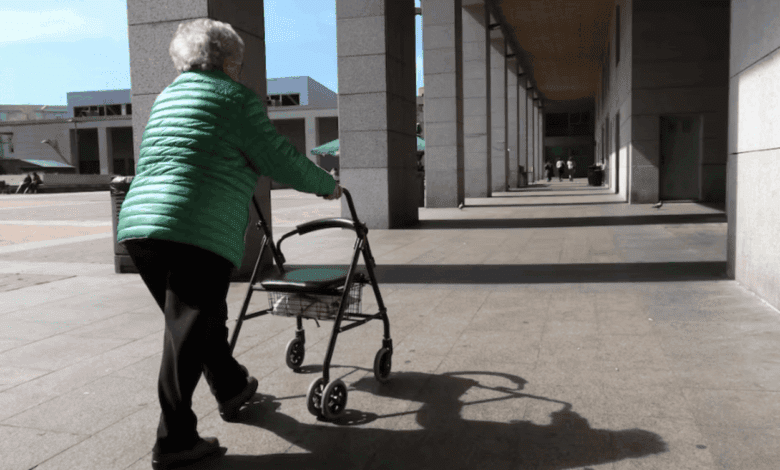
Peromingo was responsible for 47 nursing homes under the jurisdiction of Rey Juan Carlos Hospital in Móstoles. It was there that the controversial filters were applied when deciding on the hospitalization of elderly patients. As families claim, as a result, many did not receive the necessary medical care and died without being transferred to hospitals.
One of the cases being heard in the Collado Villalba court concerns the death of 72-year-old Luis Yanci at the Sanitas Torrelodones residence. The man died before he could be transferred to the Puerta de Hierro hospital.
Further investigation
The investigation continues to determine who is responsible for developing and implementing the protocols that may have led to the discrimination of elderly people. The court is demanding that the main author of the documents provide all written evidence of his disagreement with certain provisions. This could be a key factor in determining the level of responsibility of each party involved.
In case you didn’t know, Javier Martínez Peromingo is a well-known geriatrics specialist who worked for many years in Madrid’s public health system. The Rey Juan Carlos hospital in Móstoles, where he held a leadership position, is considered one of the region’s largest. Carlos Mur, meanwhile, held a position in the regional health ministry overseeing the organization of medical care in nursing homes. Their names became widely known after the investigation into the mass deaths at nursing homes began in 2020.