A court ruling in Montoro (Córdoba) has become a key moment for Spain’s entire railway system. After the tragedy on the Madrid-Sevilla line, where a train collision resulted in 46 deaths, any actions by Adif on the section near Adamuz are now strictly regulated. This decision affects operational safety and infrastructure management, and underscores the importance of judicial oversight in such investigations.
Restrictions for Adif
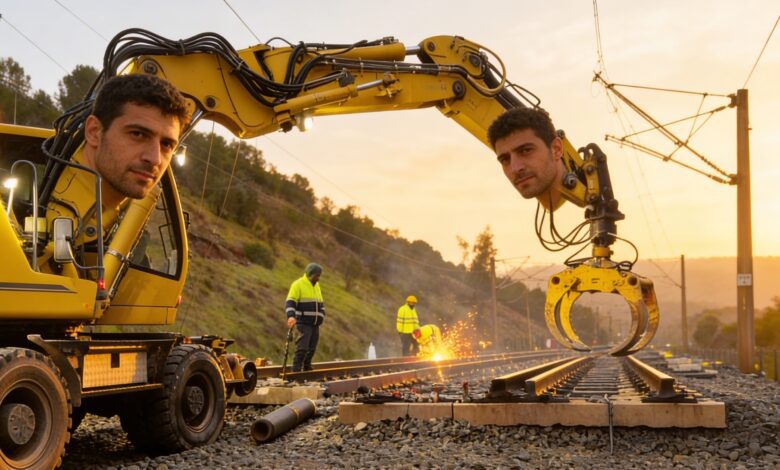
Judge Cristina Pastor clearly defined the boundaries within which Adif cannot carry out works without special authorization. This concerns a five-kilometer stretch between kilometer 321.098 and 315.974. According to the investigation, this is where a critical rail failure led to the accident. Now, any repairs or changes to the infrastructure require the court to be notified 15 days in advance and to receive official approval.
The only exception is for emergency measures needed to prevent new accidents. In such cases, Adif must immediately inform the court of the reasons and details of the intervention. This control covers any activities that could affect the condition of the tracks, but does not apply to regular monitoring and inspections if they do not involve physical intervention.
Adif’s Response and Investigation Details
After the restrictions were introduced, Adif turned to the court for clarification on which specific activities are prohibited. The judge explained: any actions involving the replacement, repair, or removal of elements of the railway network require separate approval. The only exception is urgent work necessary to ensure traffic safety.
Special attention is given to cases where Adif previously carried out work without notifying the court. For example, after the accident, company employees collected samples of rails and welded joints without authorization, which caused concern among investigators. These materials were sent for analysis and later sealed by the police. Now, any similar actions must be approved in advance.
Documentation control
The court is also requiring Adif to provide detailed reports on all completed or planned work at the site. Specifically, the company must, within ten days, report whether 36 meters of rail have been replaced and, if so, where the removed materials are stored and how they have been used. This is related to suspicions of possible alterations in the documentation, which were previously noted by the Railway Accident Investigation Commission (CIAF).
Attention to the details of the investigation intensified after discrepancies were found in the rail welding reports. According to El Pais, Judge Pastor is carefully checking all documents related to the repair and maintenance of the section to prevent any possible tampering. In such cases, judicial oversight becomes a key tool for ensuring transparency in the investigation.
Implications for the railway sector
The introduction of strict regulations for Adif reflects a growing trend towards increased oversight of infrastructure companies in Spain. Following the tragedy in Adamuz, there has been a heightened focus on railway safety. Similar measures have already been discussed in other regions of the country where accidents or major train service disruptions previously occurred.
Recalling recent developments, it’s worth noting that in Catalonia, free travel on Rodalies was accompanied by new restrictions and ongoing repairs, which also sparked debates about safety and service quality. As shown by the analysis of the Rodalies situation in Catalonia, any changes in the management of the rail network require thorough oversight and transparency.
In recent years, Spain has faced several major railway incidents, leading to stricter regulations and increased oversight. The introduction of new procedures for Adif is another step in this direction. Authorities and courts are increasingly demanding not only technical reports from rail operators but also greater transparency in their actions following accidents. This reflects a broader trend toward higher safety standards and accountability in the country’s transport sector.