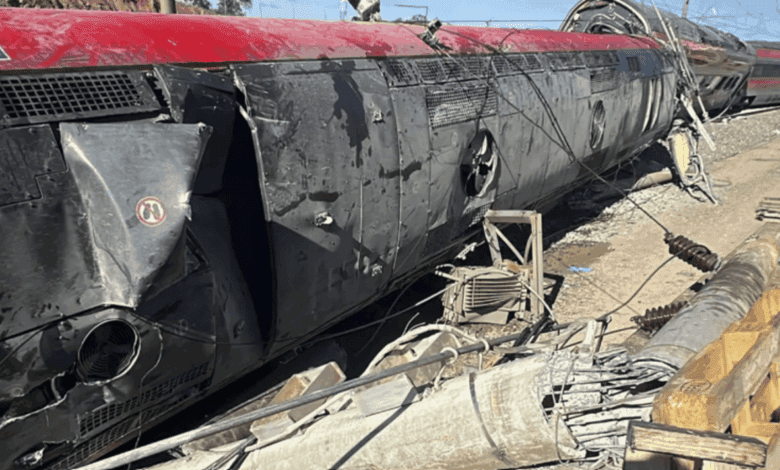
In Adamuz, in the province of Córdoba, Spain, an investigation is ongoing into one of the most horrific railway disasters in recent years. The death toll has risen to 42 after two passenger trains collided. Rescuers have recovered another body from the wreckage, and this latest news has shocked the entire country once again. Dozens of people remain hospitalized across Andalusia, many of them fighting for their lives in intensive care units.
Among the dead and injured are residents from various regions, and the tragedy has already become a national concern. Relatives and friends of the missing are holding onto hope, but with each passing hour, the chances of finding survivors diminish. Authorities confirm that 45 missing person reports are directly linked to this incident. Meticulous work is underway in morgues and forensic laboratories to identify the victims, including through DNA analysis.
Search and rescue operations
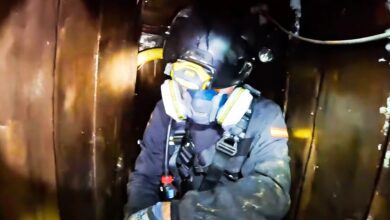
The night after the crash was grueling for rescuers and technical crews. Heavy machinery operated at the scene—huge construction cranes lifting mangled carriages to reach those trapped inside. Each person found is either a tragedy or a small miracle. Doctors and psychologists are providing support not only to the injured but also to their families, who spend hours outside hospital walls waiting for news.
There are 37 patients still hospitalized in the region, including four children. Nine patients remain in intensive care, while the rest are being treated in regular wards. Medical staff report that some victims are still in serious but stable condition. Three patients were discharged over the past 24 hours, but the total number of those who have received medical assistance has already exceeded 120.
Causes of the disaster
Investigators are not rushing to any final conclusions, but it is already known that the accident occurred on a section of the high-speed railway that was fully renovated just eight months ago. Spain’s Minister of Transport has not ruled out a technical failure—possibly a defect in the rail welding—as the cause of the tragedy. He referred to this as the “growing pains” of the new line, suggesting that even state-of-the-art technology cannot guarantee absolute safety.
This stretch of track was considered exemplary: after a major overhaul, it operated without any issues and no one anticipated trouble. Now, however, experts are examining every detail—from the quality of materials to strict compliance with all technical standards during rail installation. There are more questions than answers, and the public is demanding transparency and accountability from the rail companies and the authorities.
Public response
The tragedy in Adamuz has sparked a wave of outrage and anxiety across the country. People are discussing not only the accident itself, but also the state of Spain’s railway infrastructure. Many are asking: how could this happen on a new line that had just undergone expensive renovations? Relatives of the victims are demanding a thorough investigation and that those responsible, if identified, be held accountable.
Words of support for the victims and their families are being shared on social media and in the streets. Authorities have promised to do everything possible to determine the causes of the disaster and to prevent such tragedies in the future. But for now, the pain of loss and the shock of what happened continue to grip both the people of Andalusia and all of Spain.
Questions Remain Unanswered
As experts continue to examine the wreckage and gather testimony, many uncertainties persist. Why did such a serious failure occur on a new section of track? Was human error involved? How quickly did emergency services respond? These questions are growing louder, and society is waiting for honest answers.
The catastrophe in Adamuz is a reminder that even the most advanced technologies cannot completely eliminate risk. Once again, Spain faces a tragedy that demands not only an investigation but also a rethinking of its approach to transport safety.