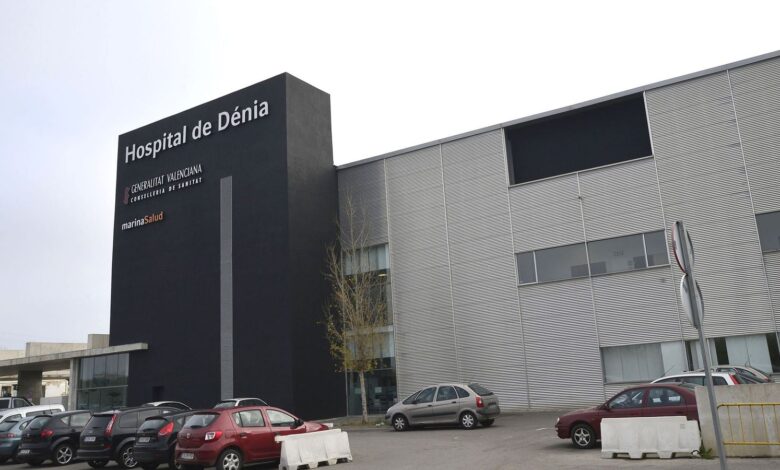
Residents of the Marina Alta region now have access to medical technology that was previously available only in major cities. The introduction of new equipment at Denia Hospital means patients can be diagnosed with lung diseases faster and more safely. This development is especially important for people suspected of having tumors or other serious respiratory conditions, as obtaining accurate data no longer requires surgical intervention.
According to El confidencial, the hospital has begun using endobronchial ultrasound (EBUS)—a modern technique that allows doctors to examine lymph nodes and tissues between the lungs. With this equipment, specialists can collect tissue samples for analysis without the need for complex surgery. This approach not only reduces health risks but also shortens the waiting time for results.
Technology and Advantages
EBUS works by using a special device—an echobronchoscope that is inserted through the airways. With it, doctors can view the internal structures of the chest cavity and precisely determine where to collect sampling material. The procedure is performed on an outpatient basis, allowing patients to quickly return to their normal routines. Importantly, this method is considered safe and minimally invasive, while the quality of obtained samples is highly regarded in the medical community.
The introduction of EBUS became possible thanks to investments that, according to El Confidencial, amounted to around 200,000 euros. The hospital management emphasizes that this equipment opens up new opportunities for personalized treatment. Doctors can now diagnose and begin therapy much faster, which is especially important in oncology cases where every day counts.
Regional impact
Previously, residents of Marina Alta had to travel to other cities for such examinations. Now, specialized care is available closer to home, and the quality of diagnostics has improved. This is especially relevant for elderly patients and those with chronic illnesses, for whom lengthy journeys and complex procedures are difficult. The new technology is already being used in the pulmonology department, and early patients report the process is now less stressful and more comfortable.
According to the management of the Dénia health department, the implementation of EBUS is part of a strategy to foster innovation and improve healthcare services in the region. This step strengthens the hospital’s position as one of the leaders in adopting advanced diagnostic and treatment methods in the province of Alicante.
Context and trends
In recent years, Spain has seen a growing interest in minimally invasive medical technologies. Such methods are already being used in major clinics in Madrid and Barcelona, where they have proven effective in detecting lung cancer and other thoracic diseases. The introduction of EBUS in Denia is a logical continuation of this trend, allowing regional hospitals to offer diagnostic standards comparable to the country’s leading centers.
In 2025, similar devices appeared in several hospitals across the Valencian Community, helping to ease the burden on major medical centers and speed up the diagnostic process. According to El confidencial, patients note that these changes make healthcare more accessible and safer, while doctors gain more opportunities to provide individualized care for each case.