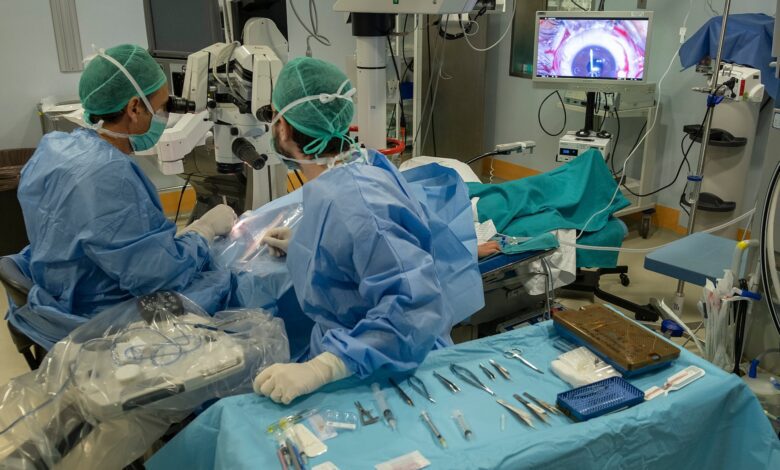
In recent years, private clinics in Seville have faced a situation that may impact patient safety across Spain. Anesthesiologists reported that in several hospitals, the number of specialists did not match the number of operating rooms functioning at the same time. This meant that in the event of complications or emergencies, the necessary level of medical care could not always be guaranteed. According to experts, such practice is driven by a desire to cut costs but can result in serious health consequences.
As reported by El Pais, anesthesiologists, including heads of departments, confirmed that for several years, operations such as hernia, lipoma, and tonsil removals had been carried out in violation of safety standards. Most of these were scheduled procedures covered by contracts with the public healthcare system. Within the medical community, this sparked a wave of discontent and reports to professional associations. Doctors were concerned that simultaneous complications, such as severe bleeding or breathing problems, could put patients’ lives at risk.
Causes and consequences
Staff reductions have become the main reason for the decline in the number of anesthesiologists in operating rooms. Clinic management counted on minimal risk, but the consequences of mistakes could be fatal. According to one experienced specialist, it was sometimes necessary to work in several operating rooms at once, using different anesthesia methods depending on the complexity of the procedure. Although officially such cases are now considered rare, within medical teams it is acknowledged that the issue has not disappeared completely.
Private hospitals claim they always comply with standards and never allow a shortage of specialists. However, anesthesiologists note that in practice they sometimes have to look for last-minute replacements to keep the surgery schedule on track. In public institutions, such as the Virgen del Rocío Hospital, the policy is clear: each operating room must have its own anesthesiologist, and this rule is strictly followed.
Response from the professional community
Professional organizations, including the Association of Anesthesiologists of Seville, admit that there have indeed been isolated cases of standard violations, though not on a massive scale. In certain situations, when there weren’t enough specialists, anesthesiologists took on additional workloads so as not to cancel operations. Association leaders stress that such practices should not become the norm and advocate for stricter oversight.
In Spain, unlike in several other European countries, there is currently no official category for nurse anesthetists who could partially substitute for doctors. This adds extra pressure on specialists and makes recruitment more difficult. The authorities in Andalusia claim they conduct inspections and have not found any systematic violations, but there have been no fines issued for such cases so far.
Working conditions and pay
Anesthesiologists in private clinics note that working conditions are often far from ideal. Doctors report heavy workloads, lack of breaks, and additional fees that hospitals deduct from their fees. As a result, many specialists prefer to work in public institutions or decline offers from private clinics altogether. The dependence of anesthesiologists on surgeons when forming teams also affects their ability to defend their interests.
In recent years, demand for anesthesiologists in Spain has increased due to changes in medical protocols and a rise in the number of operations. However, the shortage of specialists remains a pressing problem, especially in the private sector. According to El Pais, there are discussions about introducing new standards and increasing transparency in staff allocation.
In recent years, Spain has repeatedly faced debates over safety standards in private and public clinics. In 2024, a similar situation was discussed in Madrid, where a shortage of anesthesiologists led to surgery delays and patient complaints. In Catalonia in 2025, medical unions demanded a review of working conditions and an increase in the number of specialists in operating rooms. These events highlight that the issue of medical staff allocation and adherence to safety standards remains relevant throughout the country.