In March, Durango hosts an event that significantly impacts life throughout the region. The historic city center is completely transformed as artisans, local producers, and thousands of visitors gather here. For both locals and guests of the Basque Country, this is more than just a fair—it’s an opportunity to see tradition and modernity come together in one place, turning the city into a magnet for the entire area for several days.
Three days of transformation
From March 13 to 15, the streets of Durango fill with noise, music, and aromas. During these days, one of the most renowned markets in northern Spain takes place here. According to El Confidencial, about 35,000 people attend each year. This event has long been part of Bizkaia’s cultural calendar, attracting not only locals but also tourists from other regions.
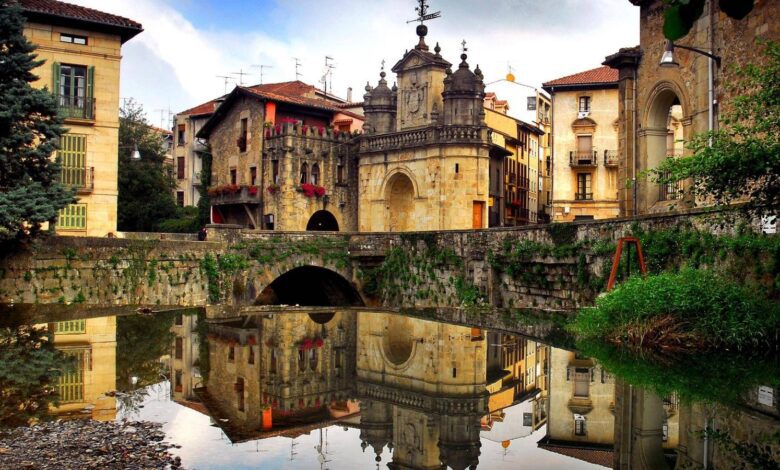
The market takes over the entire old town, where you can find more than a hundred stalls. Here, leather, wood, ceramics, textiles, and locally produced foods are sold. The atmosphere evokes the past: stone streets, historic facades, music, and street performances create the feeling of stepping back in time.
The city and its history
Durango is a city with a rich past. Its historic center has preserved its medieval layout, while landmarks such as the Arco de Santa Ana and the Santa María de Uribarri basilica reflect its trading traditions and cultural heritage. On the façade of the town hall, you can see colorful tiles symbolizing the city’s recovery after the destruction of the civil war.
A special highlight is the Lariz Palace (Torre de Lariz), where Isabella the Catholic stayed in the 15th century. Just a few minutes’ walk from the center lies Urkiola Park (Urkiola), an ideal place for strolls and discovering the region’s natural beauty.
Flavors and atmosphere
Gastronomy is an essential part of the celebration. At the market and in nearby bars, you can try traditional dishes: a variety of pintxos, Biscay-style cod, and homemade cakes. In the evening, the streets fill with people moving from one venue to another, enjoying the vibrant ambiance and lively conversations.
Getting to Durango is easy: from Bilbao (Bilbao), the journey takes just over half an hour, and public transport connects the town with the region’s main settlements. For guests’ convenience, special parking lots have been arranged outside the center.
Tourism and new formats
In recent years, there has been a noticeable rise in interest in local festivals and markets across Spain. Such events are becoming not only a reason to travel but also a way to support local producers and artisans. In February, similar changes were seen in Madrid, Barcelona, and Seville, where cultural and gastronomic programs impressed with their scale and innovative formats— as reported by russpain.com.
According to organizers, the market in Durango is not just about shopping but also an opportunity to learn about the town’s history, its architecture, and nature. Many visitors combine the fair with strolls along historic streets and excursions in the surrounding area.
In recent years, Spain has seen a growing number of new urban festivities that blend tradition with modern entertainment. For example, in Catalonia each March, a festival transforms the streets into a Roman camp with workshops and parades. In Asturias, fairs celebrating mysticism and crafts enjoy widespread popularity. These events have become an important part of the cultural scene, drawing the attention of both locals and visitors from across the country.