In the coming days, Spain will take center stage in European debates that directly affect the country’s economic stability and political influence. Decisions made at the upcoming EU summit could shift approaches to energy, taxation, and international relations. For Spaniards, this may bring changes in fuel prices, new support measures, and a review of positions on key security issues.
Internal disagreements
Escalation around the war in Iran has sparked heated debates within the Spanish government. As El Pais reports, ministers from PSOE and Sumar are debating how strong the response to the conflict’s aftermath should be. The issue of cutting taxes on energy has become central for low-income families, transport companies, and the agricultural sector. The first package of measures is expected as early as Tuesday, but major decisions will come after Thursday’s summit.
Within the coalition, negotiations continue with allies to avoid the failure of new initiatives—a scenario seen before due to opposition from PP, Vox, and Junts. According to El Pais, a broad tax reduction for the hardest-hit sectors is under discussion. However, details have yet to be agreed on, and much depends on the outcome of European negotiations.
European divide
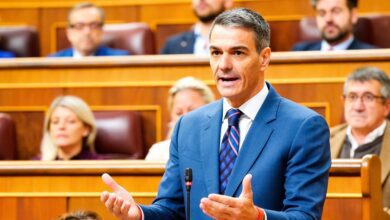
Spain’s stance on the war in Iran is becoming increasingly prominent amid disagreements with Germany. Pedro Sánchez is actively seeking support among other EU countries to achieve a united condemnation of the actions of the US and Donald Trump. However, German Chancellor Friedrich Merz takes the opposite position, which is heightening tensions between Madrid and Berlin.
Previously, Sánchez and Merz tried to develop common approaches to European policy, but the conflict over Iran and relations with the US sharply divided them. The Spanish government believes that Germany is too closely aligned with Washington and calls for a return of European values to the center of discussions. According to RUSSPAIN.COM, most EU countries are now leaning towards Madrid’s position, though not all are ready to state this openly.
Pressure on allies
Donald Trump’s recent actions, including permitting the purchase of Russian oil bypassing sanctions, have increased frustration in Brussels. While some EU capitals remain cautious, there is growing recognition that further ignoring European interests is unacceptable. On Thursday, leaders will discuss how to respond to US actions and how to protect the European economy from further shocks.
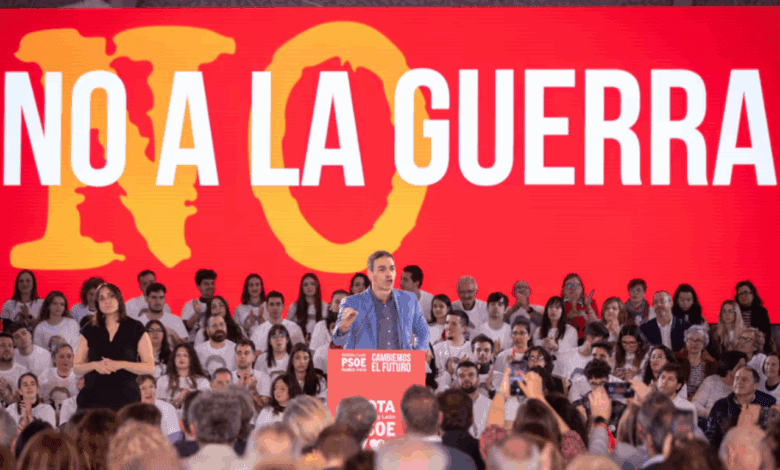
Sánchez aims to secure a clear EU stance in condemning the war, emphasizing its illegality and the threat it poses to the European economy. However, concerns remain that Germany and its allies might block a strong statement. Unlike the situation with the Iraq War, when the US sought the support of European countries, the current Trump administration has not consulted the EU or brought the issue to the UN Security Council.
Reaction of European leaders
In Brussels, Sánchez hopes to strengthen Spain’s position as a defender of multilateralism and international rules. Government sources note that recent remarks by Ursula von der Leyen caused discontent in Madrid, but after criticism from Spain and other countries, the European Commission president adjusted her stance. According to El Pais, Chancellor Merz’s influence on von der Leyen remains significant, but Spain hopes that the summit will deliver a unified message reaffirming the EU’s commitment to UN principles and international law.
Within the EU, public pressure is mounting for more decisive action against the war. Italy provides a telling example: Giorgia Meloni, who had previously sided with Germany, is now compelled to take into account anti-war sentiment at home. In Italy’s parliament, the debate over the country’s position ahead of the summit has centered on Sánchez, who enjoys strong support from the local left-wing opposition.
Meloni is determined to prevent Sánchez from being seen as a hero by the Italian public, but Spain’s growing influence complicates her strategy. In Spain, attention is focused on the upcoming elections in Castilla y León, where the consequences of the war and rising fuel prices could impact the outcome.
Context and implications
Whether the war in Iran will become a prolonged conflict remains uncertain. One thing is clear: Spain’s political and economic agenda is now entirely shaped by the developments in this conflict. According to El Pais, the government is closely monitoring shifts in public opinion and is prepared to adjust its strategy depending on decisions made at the European level.
Earlier, Madrid had already expressed dissatisfaction with the position of the European Commission regarding Iran and the United States, as detailed in the article on disagreements between Spain and Brussels. Now tensions are even higher, and the outcome of the summit could determine how events unfold not only for Spain but for the entire European Union.
In recent years, Europe has already faced serious challenges linked to foreign policy crises. For example, the energy crisis of 2022 led to a sharp increase in gas and electricity prices, forcing governments to introduce temporary support measures for the population and businesses. At that time, there were also disputes among EU countries regarding sanctions and joint actions. Such situations highlight how important it is for Spain and other countries to have a clear and coordinated stance amid external pressure and instability.