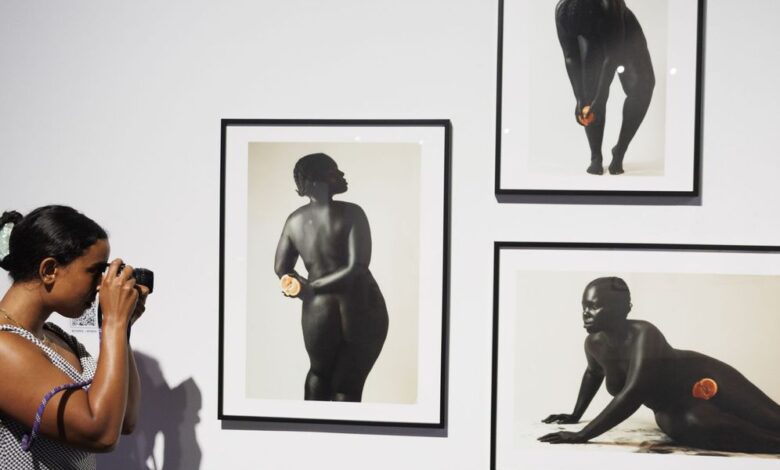
An unusual exhibition has opened at the Fernán Gómez Theatre in the Spanish capital, dedicated to the centenary of the Leica 1 camera. This camera, weighing just 400 grams, once revolutionized the world of photography and became an essential tool for reporters and enthusiasts worldwide.
The exhibition, open to the public until January 11, 2026, invites visitors to immerse themselves in Leica’s hundred-year history. The gallery walls display 174 carefully selected photographs by masters of the 20th and 21st centuries. Among them are works by Bruce Davidson, Elliott Erwitt, Alberto Korda, Ralph Gibson, Sebastião Salgado, Steve McCurry, Joel Meyerowitz, Jane Evelyn Atwood, as well as renowned Spanish photographers.
Leica 1 appeared in 1925 and immediately transformed the approach to photography. Thanks to its compactness and durability, the camera enabled photographers to work quickly and discreetly, placing them right at the heart of events. Until then, reportage photography was impossible without heavy tripods and bulky equipment. The new arrival paved the way for mobility and spontaneity, something especially valued by war correspondents and street photographers.
The exhibition traces not only the evolution of the camera itself but also the development of photojournalism. Visitors can view photographs taken both in the early 20th century and in contemporary times. The earliest exhibit dates back to 1914—a photograph taken with a prototype camera designed by engineer Oskar Barnack. Mass production of Leica cameras only began after World War I, marking another milestone in the history of technology.
Special attention is given to Spanish photographers. The exhibition features works by Agustín Centelles, Ricard Terré, Gonzalo Juanes, Manuel Sonseca, Clemente Bernad, Manolo Laguillo, Anna Turbau, Javier Campano, Alberto García-Alix, and others. Many of them captured key moments of the Civil War and the postwar period in Spain, leaving behind a unique visual legacy.
The organizers chose not to arrange the exhibits chronologically, seeking to create emotional connections between different eras and themes. The photographs are grouped by subject: street, nature, climate, and the female perspective. This approach allows viewers to observe not only the evolution of technology but also changes in how the world is perceived through the Leica lens.
A separate section of the exhibition showcases archival video materials about camera production, as well as advertising posters from the 1940s and 1950s. Along one wall stretches a 20-meter-long timeline marking major events in the German company’s history from 1914 to 2025.
The exhibition invites visitors to slow down and carefully examine every detail. Here, you can not only learn about technological achievements but also experience the atmosphere of bygone eras and see moments that became part of world history through the eyes of photographers.