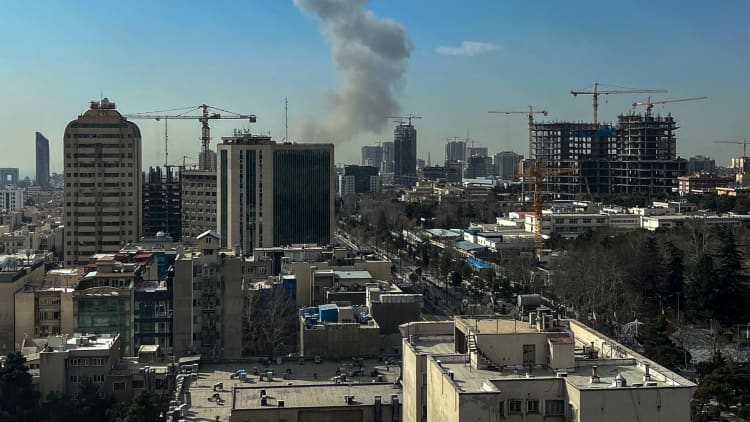
Tensions in the Middle East escalated sharply after US and Israeli forces launched strikes on strategic sites in Iran. The attacks targeted several ministries in the southern part of Tehran, as well as facilities in Isfahan, Qom, Karaj, and Kermanshah. These events triggered explosions and panic among residents, and immediately impacted international air travel and oil markets.
According to russpain, following the start of the military operation, many airlines, including Lufthansa and KLM, cancelled flights to Tel Aviv, Beirut, and Oman. Authorities in Bahrain warned of possible drone and missile attacks, while the US Embassy advised citizens to take shelter and prepare for further strikes. Amid these developments, oil prices reached a six-month high, heightening concerns among European consumers and investors.
Iran’s response and the diplomatic deadlock
Iranian officials vowed a decisive response to the aggression, stressing that any further strikes would not go unpunished. Despite efforts at diplomatic resolution, talks between the US and Iran have reached a stalemate. Washington insists on a halt to Tehran’s nuclear and missile programs, but the Iranian side refuses to discuss its ballistic missiles, considering them an integral part of national security.
In recent months, the United States and Iran have held several rounds of talks in Switzerland, but the parties failed to agree on key issues. American representatives express concern that Iranian missiles could threaten not only allies in Europe but also the United States itself. In response, Tehran is ramping up its rhetoric and demonstrating readiness for escalation.
Israel’s stance and regional tensions
Israel, which also participated in the attack on Tehran, justified its actions as a necessary measure to eliminate threats from Iran. The country’s authorities announced the activation of warning systems and the preparation of the population for possible missile strikes. At the same time, according to some diplomats, the Israeli strikes aimed to undermine diplomatic efforts between the US and Iran, further exacerbating the situation.
Explosions in central Tehran and sirens in Israeli cities have become symbols of a new wave of instability in the region. Many experts point out that further escalation could lead to unpredictable consequences for the entire Middle East and Europe, given Iran’s strategic importance for the global oil market.
Economic impact and market response
The spike in tensions had an immediate impact on the economy: oil prices surged to a six-month high, and investors began seeking safe-haven assets. Around 20% of the world’s oil shipments pass through the Strait of Hormuz, which is controlled by Iran, and any disruptions there could trigger a global energy crisis. European countries are already discussing measures to reduce dependence on Middle Eastern supplies and to strengthen their own energy security.
International experts warn that any further escalation of the conflict could lead to new sanctions, supply disruptions, and higher fuel prices. For Spain, as well as other EU countries, the situation calls for an urgent reassessment of both energy strategies and foreign policy.
Donald Trump, former US President, remains one of the most polarizing figures in global politics. His decisions on Iran and the Middle East have repeatedly sparked heated debates and have been criticized both at home and abroad. Trump is known for his tough stance on security issues and his tendency toward bold actions, which have often led to escalations in international conflicts. His policy on Iran became one of the most discussed topics in recent years, and the consequences of those decisions are still being felt today.