The scandal surrounding the distribution of government contracts in Navarra could undermine trust in the public procurement system and raise new questions about the transparency of regional authorities. The focus centers on schemes that allowed mandatory checks and restrictions to be bypassed, which may have serious consequences for the region’s political and business environment.
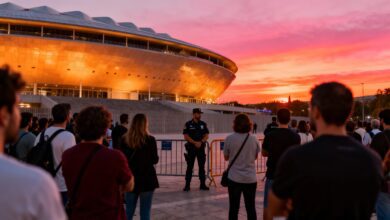
An external audit conducted in connection with the Sendaviva park renovation uncovered signs of artificial contract splitting. Five contracts awarded to Adentro Construimos SL in 2023–2024 totaled nearly 800,000 euros. Each was structured to stay just below the 200,000-euro threshold, the point at which stricter oversight and transparency rules apply.
Questionable decisions
Particular scrutiny was drawn to a contract worth 199,999 euros—just one euro under the regulatory limit. Such precise matches are rarely coincidental, heightening suspicions of an attempt to circumvent the law. Moreover, the company awarded these contracts had previously worked on renovating the office of the Socialist Party of Navarra and a former party representative’s apartment, giving the scandal an additional political dimension.
Auditors noted that the law prohibits splitting the same work into several contracts to reduce oversight. In the case of Sendaviva, the works were divided into site preparation and construction of the access control building. Although the project documentation indicated these stages were connected, the architect insisted they were separate tasks and that any mention of sequence was simply a technical error.
Arguments and justifications
The technical report claimed that the site for the building had already been prepared, which allowed the work to be split. Auditors accepted this explanation, but emphasized that the documents suggested otherwise. The report also notes separately: the audit does not draw definitive conclusions and assumes no responsibility for the completeness of the procedures performed.
Almost all contract changes also skirted the limits of what is allowed: additional work raised costs by 9.69% or 9.99%—just below the 10 percent threshold that would require a new tender and extra scrutiny. These included standard tasks such as painting, utility connections, and fire safety measures that, for some reason, were not initially included.
Violations and investigations
Auditors also recorded a violation regarding the publication deadline for contract information: in one case, the data was posted late. No formal violations were found in other cases, but contract sums were constantly at the edge of what was permitted.
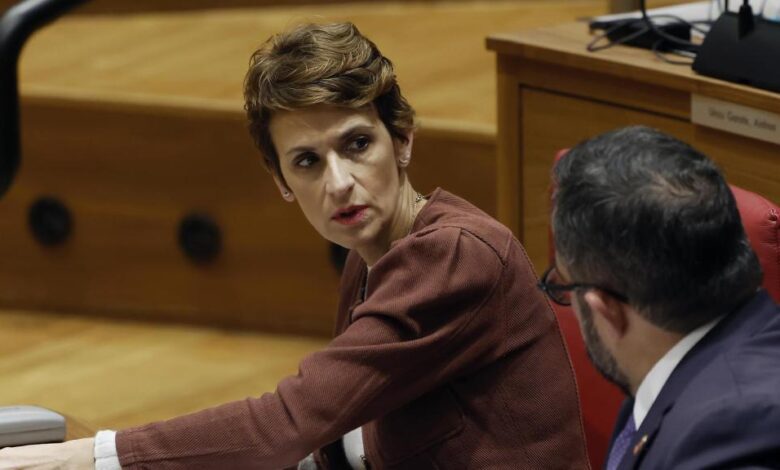
The investigation is ongoing in several directions. The Navarra anti-corruption service is examining possible violations following a complaint from the Unión del Pueblo Navarro party. At the same time, the court, responding to a statement from the Vox party, requested from the María Chivite government all documents related to these contracts to determine whether there was artificial splitting to bypass oversight. Regional authorities are facing accusations of corruption and abuse of influence in contract allocation.
In recent years, Spain has repeatedly seen high-profile cases involving procurement procedure violations. Various regions have uncovered schemes to split contracts in order to avoid tenders and transparency. Such investigations have often led to officials’ resignations and changes in budget allocation rules. In 2025, incidents were already recorded in Andalucía and Cataluña where contract amounts were deliberately kept below threshold levels, sparking public outcry and intensifying demands for stricter monitoring of government spending.