The consequences of the Adamuz train disaster, which claimed dozens of lives and left a profound mark on society, remain at the center of discussion in Spain. For the people of Huelva, the tragedy hit close to home: more than half of the victims were local residents. The spotlight has fallen on a letter from Fidel Sáenz, the son of one of the victims, addressed to the head of government. His words have sparked a wave of emotion and cast doubt on the authorities’ actions following the accident.
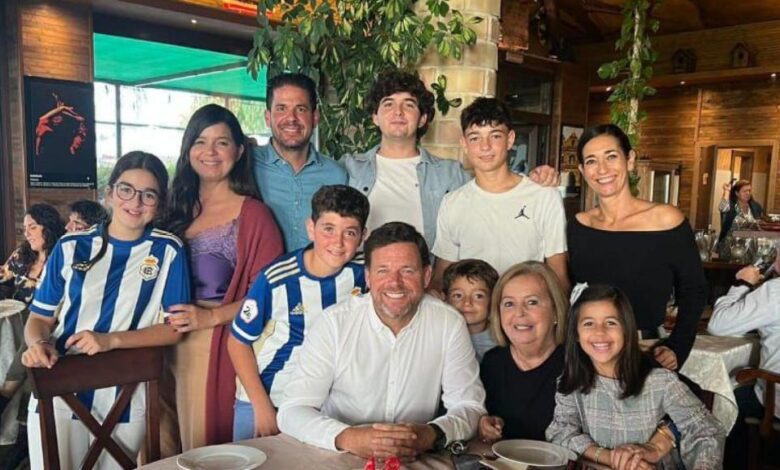
The Sáenz family lost several loved ones at once, who were returning from Madrid to Huelva after attending a musical. Among the victims was Fidel’s mother, known in the city as “abuela Nati,” as well as children and other relatives. The funerals in Huelva are set to become a national event: King Felipe VI, Queen Letizia, senior officials, and opposition representatives are all expected to attend. However, the prime minister and transport minister have chosen not to come, provoking a sharp response from the bereaved families.
A letter that shocked the nation
In his message, Fidel Sáenz does not hold back his emotions. He accuses the government of lacking compassion and efficiency, as well as of trying to avoid personal involvement in the mourning ceremonies. Particular outrage was sparked by the cancellation of the secular memorial at the request of some families, as well as the authorities’ unwillingness to attend the religious ceremony scheduled for the Huelva sports complex with the participation of the city’s patroness, the Virgen de la Cinta.
Saenz notes that for his family, the tragedy has become an irreparable loss, and the government’s response is an additional blow. In his letter, he asks the head of state not to worsen the situation and not to ‘destroy Spain’ after their lives have already been shattered by the disaster. His words quickly spread across social media, sparking a wave of support and discussion.
Public reaction
In Huelva and other regions of the country, people are discussing not only the disaster itself but also the authorities’ behavior. Many point out that the absence of the prime minister and the transport minister at the funeral is seen as a sign of indifference. Meanwhile, the presence of the royal couple and opposition leaders highlights the different approaches to the tragedy.
Discontent is growing among city residents over how the mourning events have been organized. The cancellation of a secular memorial and the emphasis on a religious ceremony have sparked debates even among the victims’ relatives. Some believe the authorities are avoiding responsibility, while others argue that political disagreements are inappropriate at such a time.
Criticism of the government
In his letter, Saenz sharply criticizes the head of government. He states that claims of ‘compassion, efficiency, and transparency’ do not reflect reality. In his opinion, had the inspections and safety measures been truly effective, the tragedy could have been avoided. The families of the victims demand not just words, but concrete actions to prevent such events from happening again.
Saenz places special emphasis on the fact that the government chose not to participate in the religious ceremony, despite massive support from the residents of Huelva. He compares this to political agreements that, in his opinion, go against the interests of society. The letter includes a call for responsibility and respect for the memory of the victims.
Political context
The situation surrounding the funeral and the authorities’ response has taken on a political dimension. The presence of the king and opposition leaders, contrasted with the absence of the prime minister, has become a topic of discussion in the media and on social networks. Many see this as evidence of a deep crisis of trust between society and the government.
A large turnout of residents is expected at the mourning ceremony in Huelva. For many, this is not only a way to honor the memory of the victims, but also to protest the way the authorities handle tragedies. Questions about the causes of the accident, accountability, and the future of railway safety remain unanswered.