Being an actor in Spain is not always about fame and applause. Behind dazzling roles and familiar faces often lies a harsh reality: most performers are forced to take on side jobs just to get by. According to a recent study, nearly 80% of actors and dancers in the country earn less than €12,000 a year, and half don’t even reach €3,000. This is not just a statistic, but a daily struggle for survival.
The story of Adrián Gordillo, who rose to fame playing El Mecos in the series Aída, came as a real shock to many. In December, he admitted candidly: he has no work, no money, and his life has become a nightmare. “I’m not just at rock bottom—I’m in hell,” he said, not hiding his despair. There was a time when he had it all: the best restaurants, lively parties, crowds of friends. But all of that vanished when the roles dried up and troubles began.
The realities of the profession
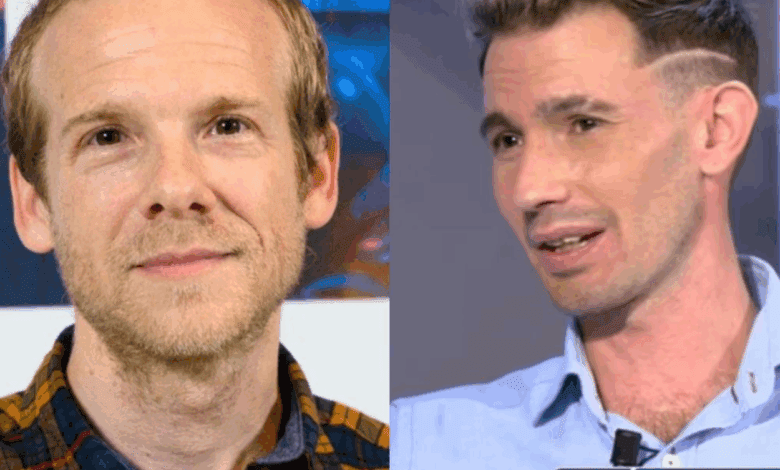
Fernando Ramallo, known to viewers from the series “Aquí no hay quien viva” and “Víctor Ros”, decided to speak out about his colleague’s situation. His comments sparked a storm of discussion on social media. He pointed out that many people don’t understand what actors go through when the interest in their characters fades. “If you play a bright, memorable role, people start associating you only with that image. There simply isn’t enough imagination in the industry to offer you something different,” Ramallo explains.
In his view, the problem isn’t just the lack of new offers. Even if an artist was once popular, it doesn’t guarantee a steady income. “To get work again, there needs to be a similar character in the script. And such roles come up only every few years, if not less often,” the actor notes.
The price of success
Ramalho did not absolve Gordillo of responsibility either. He believes the artist should have foreseen possible difficulties and prepared for them. “He did a great job in his role, but didn’t think about the future. He should have saved or invested his money to get through tough times,” he says. According to his calculations, it would have been impossible to make a fortune from 46 episodes of ‘Aída,’ which were filmed over several years. “I don’t think he was paid huge fees. And if you also live large, the money runs out fast,” Ramalho adds.
He emphasizes that nightlife and constant partying can lead to financial ruin. “In the end, all that remains are memories and an empty bank account,” the actor concludes.
The challenges of fame
Another reason, according to Ramallo, is youth and sudden fame. “When you’re young and everyone around you admires you, it’s hard to resist. But as soon as you lose your job, everyone disappears,” he says. The actor also notes that advice like ‘get a job as a waiter or go pick strawberries’ is demeaning and ignores the real challenges. “Harvesting is hard work, and not everyone can handle it. It’s not just an easy alternative for those who lost their roles,” he insists.
In Spain, acting has long ceased to be a guarantee of stability. Even those who were once at the top can end up completely isolated and without any means of support. And this is not just a personal tragedy, but a systemic problem that people prefer not to discuss.