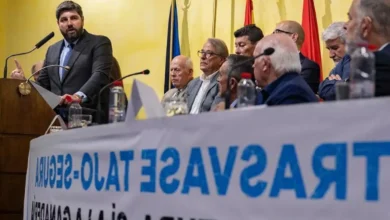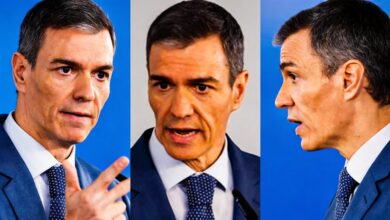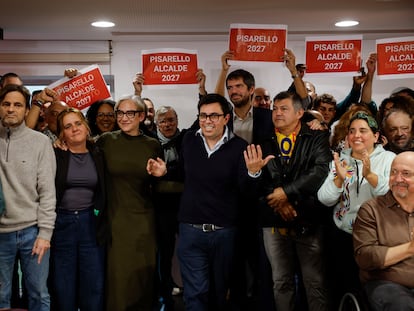
A significant milestone has just concluded for local politics in Barcelona: for the first time, the party Barcelona en comú held open primaries to select its candidate for the 2027 municipal elections. This event could reshape the city’s power dynamics, as the choice of leader will determine the party’s strategy and its influence over future coalitions. The victory of Gerardo Pisarello, backed by the party leadership, came as a surprise to some activists who had hoped for change.
Voting results
Gerardo Pisarello, sitting deputy and former city council member, received 68.6% of the votes (1,046 participants). His opponent, well-known journalist Bob Pop, representing the critics’ wing, gained 27% (412 votes). Blank ballots accounted for 4.4%. These results strengthened Pisarello and his team’s position and confirmed support from the party’s leadership.
For the first time, candidates were required to run in tandem—a man and a woman together—marking a new step for the party. Pisarello partnered with current councilor Carol Recio, while Bob Pop teamed up with Mar Trallero, who represents the Eixample district. This formula, approved at the latest party convention, reinforced the principle of equality and made the process more transparent.
Impact on the party’s future
The final results will be announced on Monday, when the winning tandem appears at a press conference. According to party rules, they will then select the third, fourth, and fifth candidates on the list, while the remaining spots will go to winners of the open vote. This approach aims to boost supporter engagement and strengthen trust in the process.
Pisarello’s nomination could be crucial for forming the broad left-wing coalition that Barcelona en comú has been discussing since last summer. However, Pisarello himself has yet to clarify what the structure of this alliance will be or how the party plans to respond to the growing popularity of right-wing forces. According to El Pais, party leadership praised the high level of engagement and emphasized the importance of joint male and female leadership.
Context and comparisons
Internal party elections and new candidate selection formats are becoming increasingly relevant for Spanish parties. For example, Vox’s recent strategy to win support in small towns has been widely discussed, with the party actively working with local residents and reshaping the political landscape. For more on these developments, see our story about Vox’s growing influence in the regions.
Barcelona en comú believes that the new primary format and the tandem leadership principle will strengthen the party’s position and restore voter trust. The leadership has already congratulated both teams on a fair contest and expressed confidence that the renewed team can return the party to power in 2027.
In recent years, parties in Spain have increasingly held open primaries to enhance the legitimacy of their candidates and attract new supporters. This approach has already been used in Madrid and Valencia, where participation in the voting process revealed unexpected leaders. In some cases, this has led to shifts in political direction and the formation of new coalitions. In Barcelona, such experience may serve as an example for other cities where parties are seeking ways to renew themselves and strengthen their positions ahead of crucial elections.