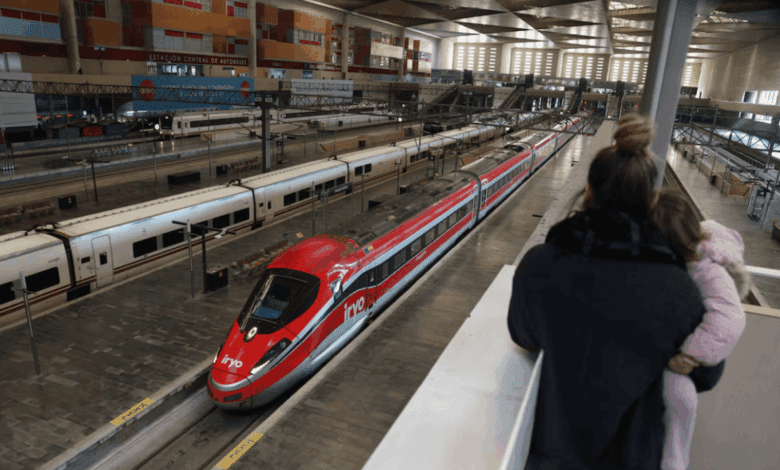
Disruptions in the railway system always cause concern among Catalonia residents, where Rodalies remains a crucial transport link. Today’s brief halt once again highlighted the fragility of the infrastructure and how quickly daily routines can be thrown off track. For thousands of passengers, even a short delay becomes a challenge, while for transportation companies, it raises questions about the reliability of management systems.
The morning in Barcelona started with an unexpected pause: Rodalies trains suddenly stopped, and stations filled with anxious announcements. The reason was a malfunction at the Adif Central Traffic Control Center (CTC), which paralyzed movement for five minutes. Passengers heading to work or school were left in doubt, waiting for explanations and for service to resume. This time, the issue was resolved quickly, and trains soon restarted, but the incident left a mark.
Consequences of the disruption
Such incidents not only upset passengers’ plans, but also undermine trust in the region’s railway system. Each new disruption sparks public and expert debate, as it concerns the safety and stability of transport infrastructure. Recalling the events of January, when software failures at the same center led to chaos in operations, it becomes clear: even brief stoppages can have serious consequences.
Earlier this year, two consecutive incidents at the Adif CTC led to massive delays and train cancellations across Catalonia. This sparked a wave of criticism and resulted in the resignation of two senior officials from Adif and Renfe. Although today’s incident was resolved quickly, it once again raised questions about the reliability of digital systems and preparedness for emergencies.
Passenger reaction
Passengers caught in the epicenter of events note that such stops are becoming increasingly frequent. Many express dissatisfaction with the delayed information about disruptions and find the explanations unconvincing. For those who use Rodalies daily, even a brief delay can mean being late for work or an important meeting.
The discussion continues on social media: users are sharing photos of empty platforms and talking about their experiences. Some are demanding greater transparency and faster communication from transport companies, while others are calling for a review of maintenance approaches and modernization of equipment.
Questions about infrastructure
Experts point out that Catalonia’s railway infrastructure is in need of renewal. Despite regular investments, digital control systems remain vulnerable to failures. Each new incident raises the issue of how prepared operators are to respond quickly and prevent similar situations in the future.
Regional authorities have repeatedly emphasized the need to modernize and strengthen oversight of key management centers. However, practice shows that problems persist, forcing passengers to deal with the consequences. As the demand on the transport network grows, such disruptions could pose a serious challenge to the entire system.
In recent years, Catalonia’s railway system has repeatedly faced technical failures affecting train operations. In January 2024, a major breakdown at CTC Adif led to a several-hour suspension of Rodalies services, sparking widespread dissatisfaction and staff reshuffles. Similar incidents have occurred before, underlining the need for ongoing upgrades and monitoring of digital management systems. The issue of railway infrastructure reliability remains urgent for the region, where millions of residents depend daily on stable transportation.