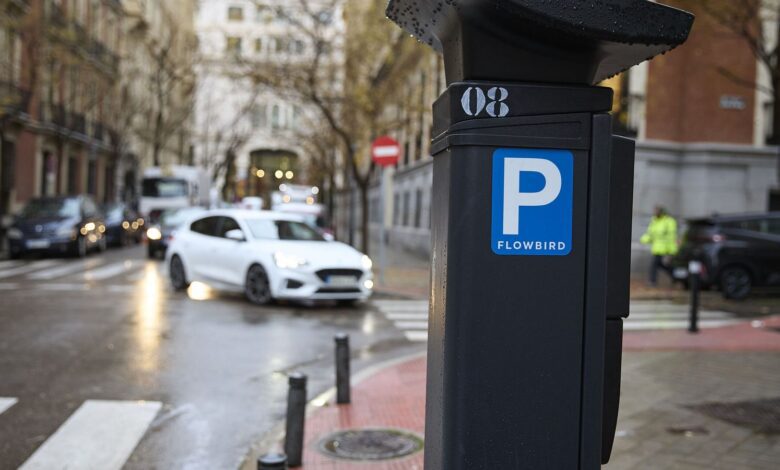
Madrid residents and visitors should prepare for sweeping changes: the familiar free street parking is becoming a thing of the past. Starting in 2026, the city authorities will begin introducing paid parking zones in areas where it was previously free to leave your car. This move is part of a new strategy aimed at regulating traffic and improving the city’s environmental situation.
The plan is for paid parking zones to cover nearly all city districts within the next few years. The first areas affected will be those neighborhoods that have never before had municipal parking regulations. Officials insist that these measures are needed to combat traffic congestion and air pollution, as well as to make life easier for local residents struggling to find a parking spot near their homes.
Expansion of SER zones
Over the coming years, more than 77 districts in Madrid will introduce paid parking, covering almost 60% of the city’s area. Among those affected are neighborhoods like Puente de Vallecas, Moratalaz, Carabanchel, and Ciudad Lineal. Some of these places have never had parking meters before, but they will now become part of a unified system.
Authorities promise the process will be gradual. Residents will first have the opportunity to vote on whether to introduce paid parking in their area. Only after that will new meters be installed and spaces marked out. By 2035, the number of paid parking spaces is set to grow by nearly 80,000—a more than 40% increase compared to today.
Changes to rules and schedules
The changes will affect not only the geography of paid parking but also the operating hours of parking meters. In high-traffic areas, parking may now become paid even during evenings, weekends, and holidays. This is especially relevant for zones with a vibrant nightlife, heavy tourist traffic, or major shopping centers.
Officials emphasize that these measures will help ease traffic congestion and prioritize parking for local residents. In some cases, parking meters will operate until late in the evening, and in certain districts—even on Sundays. This will pose a serious challenge for those used to leaving their cars parked on the street for several days in a row.
Transition period and exemptions
Temporary exemptions have been provided for certain categories of drivers. For example, owners of vehicles without an environmental label, registered in Madrid, will be able to use their cars until the end of 2026. After that, they will either need to upgrade their vehicle or stop driving in the city.
City authorities have also allocated additional funds for updating the vehicle fleet. In 2025, more than €23 million was allocated for this purpose. These measures are expected to accelerate the transition to more eco-friendly forms of transportation and reduce air pollution.
City of the future
Madrid’s paid parking system has existed for more than twenty years. Over this time, it has evolved from a local experiment into a powerful tool for managing city traffic. The latest round of changes is part of a comprehensive program to create a ‘green’ city and improve quality of life for all residents.
Authorities believe that expanding paid parking zones will not only reduce congestion but also help clean the air. The project is currently under public review, and a final decision will be made in early 2026. If the plan is approved, free parking in Madrid will become a rarity and the city’s usual landscape will change forever.
As RUSSPAIN.COM previously reported, two small towns in Galicia were named the most beautiful in the country for 2026. This event has attracted great interest from tourists and locals alike. For more details on what earned them this status, read our article “Two Towns in Galicia Named Spain’s Most Beautiful for 2026”.