An incident in Gran Canaria has once again highlighted concerns about animal welfare and owner responsibility. Authorities were compelled to intervene after dozens of dogs were found in extremely poor conditions at a private farm in the municipality of La Aldea de San Nicolás. This event not only sparked public outcry but also raised questions about the effectiveness of pet ownership regulations in Spain.
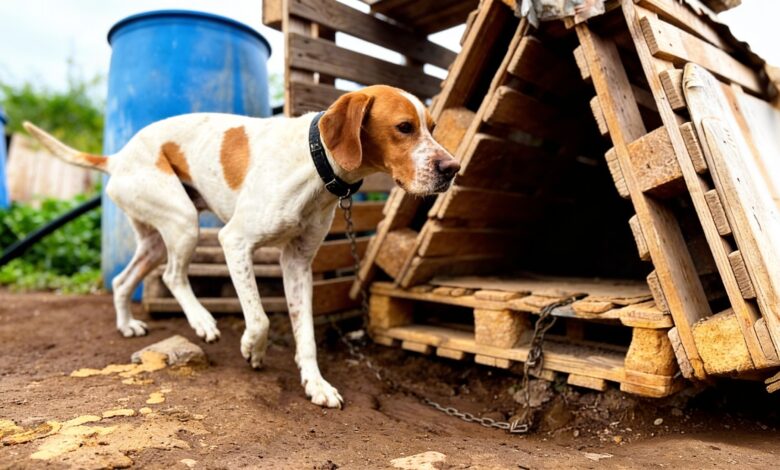
According to El Pais, a local resident alerted authorities, concerned about the condition of the animals. When officers from the Guardia Civil arrived, they found that the property lacked fencing, allowing easy access for outsiders. The site housed 29 dogs, including six newborn puppies. Most of the animals were chained with short leashes to makeshift shelters built from pallets, planks, and old furniture. These structures offered neither protection from the weather nor safety for the animals themselves.
Inside the enclosures and around the doghouses, dangerous items were found: nails, sharp boards, and construction debris. All of this posed a direct threat to the dogs’ health. In addition, the area was covered with days-old excrement, leading to a surge of insects and making sanitary upkeep impossible. Food and water for the animals were kept in containers coated with a thick layer of dirt and organic residue, with a film on the water typical of bacterial colonies. This rendered the water undrinkable and further deteriorated the animals’ overall condition.
Authorities’ response
Civil Guard officers noted that all the dogs had visible wounds infested with flies. No signs of veterinary care were found. Some animals showed signs of prolonged stress and exhaustion, and one dog was observed eating its own feces. Officials decided to immediately remove all 29 dogs, including puppies, to prevent further deterioration of their condition. The animals were temporarily relocated to a municipal shelter, where they received care and were kept safe.
The investigation is ongoing, and the property owner has become a suspect in an animal cruelty case. According to RUSSPAIN.COM, such incidents are not unprecedented in Spain, but this particular case has drawn attention to the need for stricter oversight of pet care standards. Authorities emphasize that any instances of negligence or cruelty will be stopped, and those responsible will be held accountable.
Public reaction
The story sparked widespread discussion among residents of the Canary Islands and beyond. Many point out that situations like this require not only intervention by law enforcement, but also structural changes in legislation. In recent years, Spain has taken steps to strengthen animal protection, but in practice, local oversight often remains insufficient. The authorities of La Aldea de San Nicolás have expressed readiness to cooperate with animal welfare organizations to prevent similar incidents in the future.
In the context of this case, it is worth recalling that Barcelona recently allocated significant funds to support families and businesses during the crisis, further reflecting the commitment of local authorities to respond promptly to pressing social issues. More details on support measures in the capital of Catalonia can be found in the article on new initiatives for businesses and families.
Context and similar cases
In recent years, Spain has faced a series of high-profile cases involving animal abuse. In 2025, a case was uncovered in Andalucía where dogs were kept in unsanitary conditions on a large scale, leading to stricter local regulations. Incidents have also been reported in Valencia and Murcia, where owners failed to meet the basic needs of their pets. These developments highlight the importance of ongoing monitoring and public awareness about animal care rules. Authorities continue to work on improving legislation and increasing accountability for such violations.