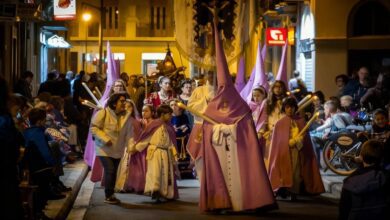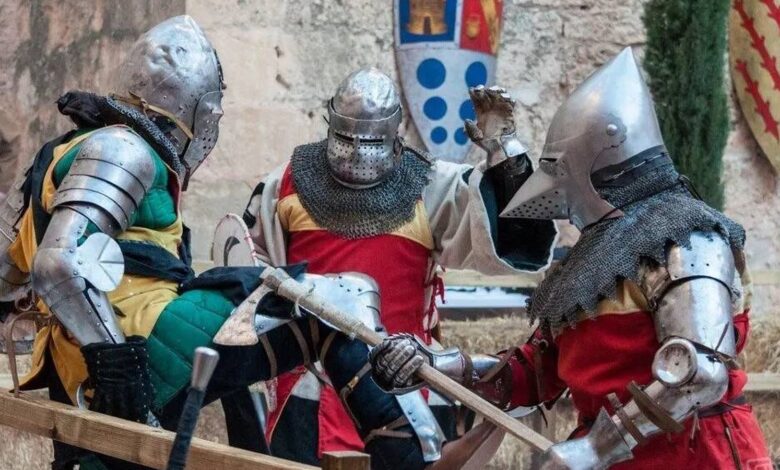
In March 2026, Gernika (Gernika-Lumo) will once again become the focal point of the Basque Country thanks to its largest medieval market. This event not only attracts thousands of visitors but also highlights the importance of preserving historical traditions in the region. For residents of Spain, such gatherings are an opportunity to experience the past, immerse themselves in the atmosphere of bygone eras, and support local producers.
For five consecutive days, the streets of Gernika fill with artisans, musicians, and performers, turning the city into an open-air historical stage. Locals and tourists alike can sample dishes prepared using age-old recipes, attend workshops on ancient crafts, and witness street performances that revive the spirit of the Middle Ages.
A journey into the past
From March 5 to 9, 2026, Gernika will completely transform. The city center will host dozens of market stalls offering leather, ceramics, and wooden wares, while the air fills with the aromas of traditional Basque cuisine. Musical ensembles perform ancient melodies and theater troupes put on shows right along the streets. Special attention is given to children: workshops, play zones, and interactive performances are organized just for them.
In the evenings, guests are treated to fire shows and dances that create a true festive atmosphere. Each day is packed with events: from the morning opening of the market to late-night performances. The program is designed for all generations, making the event especially appealing for families.
Historical context
Gernika is more than just a place for celebration. This city is known far beyond Spain for its tragic history. In 1937, it was destroyed by bombing and became a symbol of the fight for peace. Today, it is home to the Museum of Peace and the famous ceramic panel of Picasso’s painting, serving as a reminder of past events. The city is part of the Urdaibai Biosphere Reserve, giving the event a unique atmosphere.
Many market visitors take the opportunity to learn about the region’s history by visiting the House of Assembly (Casa de Juntas) and seeing the legendary Gernika Oak (Árbol de Gernika), which has become a symbol of hope for the Basques. As reported by El Confidencial, the combination of cultural traditions and historical memory makes this market a unique phenomenon for all of Spain.
Program and logistics
Organizers have prepared a full program. On Friday, March 7, the market opens at 10:00, and by evening, musical and theatrical performances will begin. On Saturday and Sunday, guests can enjoy street performances, master classes, magic shows, and dances. The holiday concludes on Monday, March 9, with a festive closing ceremony.
You can get to Gernika either by car or by public transport. Buses from Bizkaibus run from Bilbao every 15 minutes, and Euskotren trains are also available. The journey from Vitoria and San Sebastián takes a little over an hour. For those who enjoy traveling across Spain’s regions, such events are a great opportunity to discover new routes. Just like at the wine festivals in La Rioja, where tradition and history are closely intertwined, as detailed in the article about unusual stops on the La Rioja wine route.
Background and context
Medieval markets in Spain have long become an integral part of cultural life. In recent years, similar events have taken place in Toledo, Segovia, and Ávila, where historic centers are transformed into theatrical stages. In 2025, the market in Segovia gathered a record number of artisans, while in Toledo, special attention was given to gastronomy. Such events boost domestic tourism and keep interest in national traditions alive. Organizers in each region strive to add unique elements to highlight the distinctiveness of local history and culture.