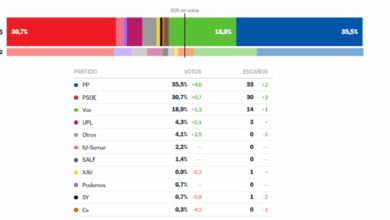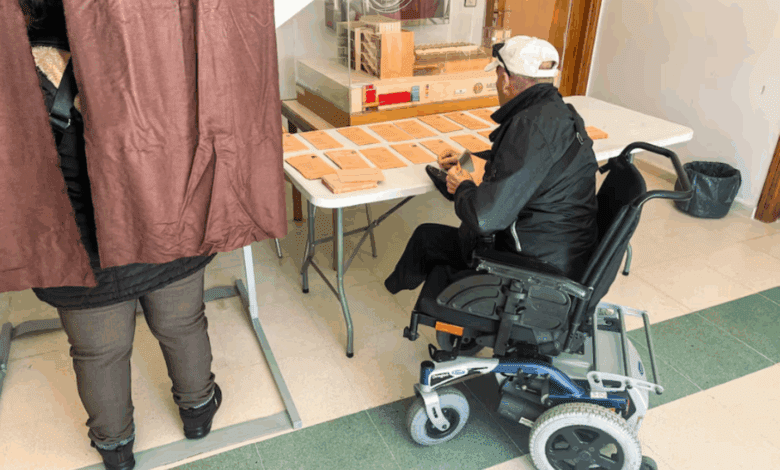
In recent years, discontent with the political system has noticeably increased in the rural areas of Castilla y León. For residents of small towns and villages, elections have become more of a routine than an opportunity to bring about change. According to El Pais, many voters feel forgotten and do not see any real changes, despite decades of support for the same parties. This is reflected in turnout rates and overall sentiment, which is increasingly shifting toward disappointment and the search for alternatives.
In the Tierra de Campos region, which includes parts of Valladolid, León, Palencia, and Zamora, demographic decline and economic challenges have become a permanent backdrop to political processes. The Partido Popular has traditionally dominated here, but in recent campaigns Vox has made noticeable gains. Locals note that despite changes in slogans, real changes in daily life are rare. Many voters cast their ballots more out of habit than out of belief that their vote will make a difference.
Shifting priorities
In towns like Medina de Rioseco and Mayorga de Campos, voters face high prices, a lack of jobs, and little hope for young people. Elderly citizens are the majority at polling stations, while the youth increasingly express apathy or turn to new parties. Some young voters are drawn to movements like Se Acabó La Fiesta or Partido Castellano-Tierra Comunera, though they often see them as something exotic. At the same time, support for Vox is growing among young people, driven by disappointment with traditional parties and a desire for change.
Many residents openly admit they don’t see a difference between the main political forces. Some choose the ‘least bad’ option, others vote out of a sense of duty so they can criticize the authorities. In conversations, people often demand job creation, anti-corruption measures, and an end to misleading the public. However, expectations for change remain low, and faith in the effectiveness of elections is gradually fading.
Small-town realities
In smaller localities such as Izagre or Albires, political preferences are often shaped by family traditions and personal experience. The older generation tends to remain loyal to familiar parties, while younger residents either do not vote or opt for new political movements. Local bars host discussions not only about politics but also everyday concerns: road conditions, fuel prices, and housing availability. Owners of small businesses, including migrants, point out that surviving without municipal support is difficult and political promises rarely become reality.
In some villages, it is noticeable that infrastructure improvements take place only right before elections, which raises skepticism among local residents. Young people, if they go to polling stations, often do so under pressure from their parents or out of a sense of civic duty. Many note that their friends prefer not to vote, considering it pointless. Nevertheless, among young voters, Vox is becoming an increasingly visible force, especially amid disappointment with traditional parties.
Impact on the region
The situation in Castilla y León reflects a broader trend across Spain, where rural areas are facing depopulation, economic difficulties, and declining trust in political institutions. As El Pais notes, these developments are leading to greater support for new parties and a shift in the political balance. The impact of such changes is already being felt in other regions of the country, where traditional political forces are losing ground and voters are seeking new ways to express their dissatisfaction.
Against the backdrop of recent events in other autonomous communities, such as Catalonia, where political tensions over the budget and the region’s future remain high, similar trends can be observed. An in-depth analysis of the situation in Catalonia and its potential consequences for the country as a whole is presented in the article on the long-term plans of the regional authorities on russpain.com.
In recent years, Spain has experienced a wave of political change driven by disillusionment with traditional parties and the rise of new movements. In rural regions such as Castilla y León, this is particularly pronounced due to demographic decline and economic hardship. In 2023 and 2024, similar sentiments were seen in Galicia and Extremadura, where voters also voiced dissatisfaction with the lack of change and increased their support for alternative parties. These trends continue to reshape the country’s political landscape, creating new challenges for the government and society.