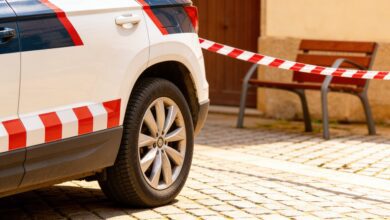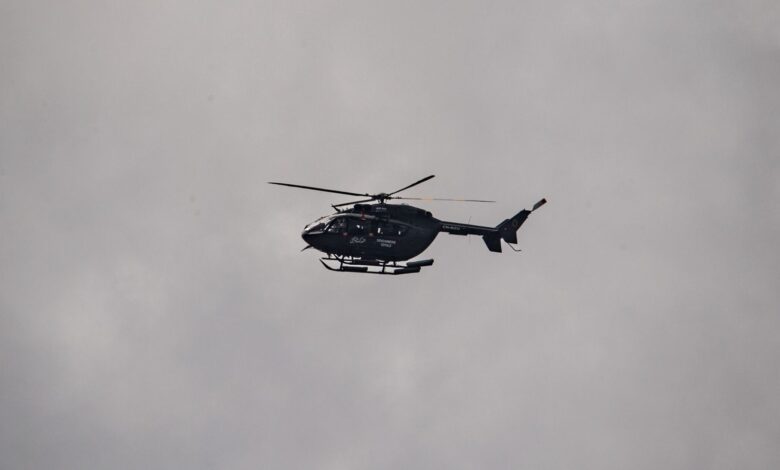
Six suspects were taken into custody following a major police operation in southern Spain. According to investigators, they were part of an organized group that established an airborne channel for transporting hashish from Morocco. Helicopters were used to carry hundreds of kilos of cargo per flight. After landing in remote areas of the provinces of Málaga, Almería, and Murcia, the drugs were hidden in warehouses and on farms before being distributed further across Europe.
During the raids, law enforcement officers seized 657 kilograms of hashish, five firearms, cash, and one of the helicopters used for transport. In addition, vehicles and other equipment necessary for logistics were confiscated. The operation was the result of prolonged surveillance of suspicious nighttime movements between Málaga and Almería, which ultimately led to the exposure of the trafficking network.
The smuggling scheme
The group operated in a coordinated manner: some members organized flights from Morocco, while others handled the reception and unloading of goods on the Spanish side. The helicopters landed in sparsely populated locations, where accomplices with vans were already waiting. The cargo was quickly transferred and distributed to hiding places to avoid police attention. Afterwards, the helicopters were concealed in hangars and on private properties, waiting for their next assignment.
All logistics were organized to minimize risks. The hashish was stored in industrial facilities and agricultural sites, then transported in batches by road to other European countries. According to investigators, each shipment could weigh up to 900 kilograms, making this one of the largest operations in the region.
Searches and arrests
The investigation culminated in a raid at a farm in the municipality of Níjar, Almería, where authorities discovered 25 bundles of hashish weighing a total of 657 kilograms. Simultaneously, five more searches were conducted at various locations in Málaga, Almería, and Murcia. In addition to the drugs, police seized five long-barrel rifles, nearly three thousand euros in cash, and several vehicles.
All six detainees are charged with drug trafficking, possession of firearms, and involvement in a criminal organization. After their arrest, they were placed at the disposal of the court. The investigation is ongoing to identify possible links with other groups and supply routes.
International cooperation
The operation was made possible thanks to coordination between various branches of Spanish law enforcement. It involved drug enforcement specialists, analysts, and investigators. Colleagues from Morocco also joined the investigation, and at certain stages, police from Belgium and Sweden took part as well. Such international cooperation allowed authorities to shut down the supply channel and arrest key members of the network.
The operation employed advanced surveillance and analytical techniques, enabling authorities to identify not only the drug trafficking routes but also the storage locations. The helicopters used for transport were meticulously camouflaged to avoid detection from both air and ground. Nevertheless, coordinated police action succeeded in uncovering the entire network—from dispatch in Morocco to distribution across Europe.