In recent months, the Spanish monarchy has undergone changes that until recently seemed impossible. The Royal Palace (Casa Real), under the leadership of Felipe VI, is experiencing a true transformation. For the first time in many years, key positions are being filled by women, while military officials are giving way to civilian specialists. This is more than just a change of faces—it is an attempt to make the monarchy more open and modern, in line with the expectations of 21st-century society.
In 2024, several women received important appointments. Mercedes Araujo Díaz de Terán became the Secretary General, replacing a military officer in this role. Carmen Castilla Ruiz de Velasco now oversees diplomatic affairs, while Marta Caraso was appointed as the Queen’s secretary. Communications are now led by Rosa Lercundi, who succeeded someone who held the post for three decades. These appointments are no coincidence—they reflect a commitment to renewal and professionalism.
Women in Key Positions
For the first time in the history of the Royal Household, women hold real influence in decision-making. The first steps toward change began back in the 1990s, when civilian specialists and journalists were brought onto the team. At that time, Asunción Valdés became the first woman in a leadership role at La Zarzuela (La Zarzuela Palace), and she was the one who launched the monarchy’s official website. But only now has this process of renewal become truly systematic.
Today, women are not just present in the structure of the Royal Household—they shape its identity. Mercedes Araujo, for instance, became the first woman to serve as Secretary General, while Carmen Castilla is responsible for international relations. The Communications Department has also seen a generational shift: Rosé Lerchundi is set to establish a new approach to public engagement.
From Military to Civilian Leadership
Until recently, most senior roles in the Royal Household were held by military officers. However, with the arrival of new chief administrator Camilo Villarino, things began to change. He actively promoted civilian professionals, believing that they are best positioned to bring the monarchy closer to the people. The appointment of Mercedes Araujo became a symbol of this shift—the first time a military officer handed over the post to a civilian expert.
Villarino also supported the advancement of women to key positions, including in diplomatic and protocol departments. As a result, the structure of the Royal Household has become more flexible and modern, and the institution itself—less formal and closed.
New Technology and Openness
Another major aspect of modernization has been digitalization. The Royal Palace has become active on social media: official accounts appeared on X (formerly Twitter) in 2014 and on Instagram in 2024. In a short time, the number of followers has neared one million, reflecting growing public interest in the monarchy’s daily life.
The palace now houses its own studio complex for recording video messages and producing modern media content. This enables the Royal Household to respond quickly to events and communicate its stance directly to citizens, bypassing traditional media.
Succession and preparing for the future
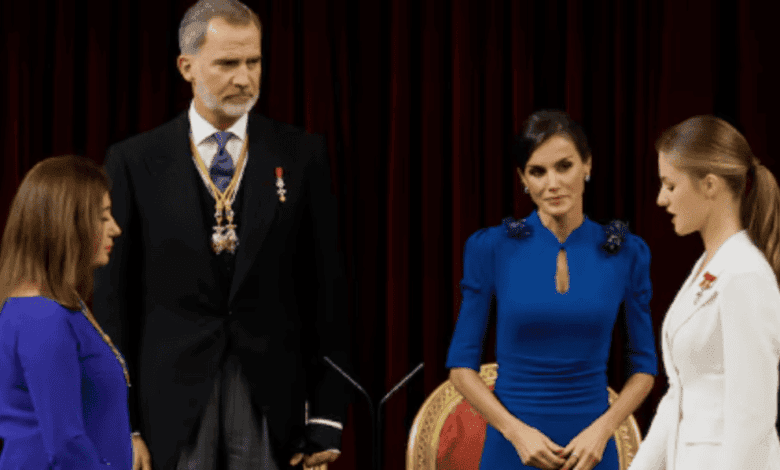
The changes have gone beyond structure to encompass the way future monarchs are raised. Princess Leonor has been involved in public life from an early age and is being prepared for her future role. Queen Letizia is actively shaping the monarchy’s new image, focusing on transparency and social responsibility.
Overall, Spain’s Royal Household today is not only a symbol of tradition, but also an example of how even the most conservative institutions can adapt under the pressures of time and society.